A well-built dog hammock protects car seats from hair, dirt, and scratches while giving dogs a more stable space to ride. Side flaps add extra coverage at the doors and help reduce slipping when a dog steps in or out. This guide covers what to look for, how to set it up correctly, and how to keep it working trip after trip.
What a car dog hammock with side flaps does
- Creates a back-seat barrier that catches shedding, muddy paws, drool, and crumbs before they reach upholstery.
- Bridges the footwell gap to reduce slipping and make the seat feel like a larger platform.
- Side flaps protect door panels and edges from nails and scuffs during entry/exit.
- Helps limit distractions by keeping dogs centered in the back seat.
- Pairs well with a dog seat belt harness for safer travel.
Key features that make a hammock feel sturdy
“Sturdy” isn’t just about thick fabric—it’s the combination of materials, tension, and how the cover locks into place. When comparing options, prioritize these build details:
- Durable, tear-resistant fabric with a firm hand-feel that doesn’t sag easily.
- Reinforced stitching at stress points (strap anchors, edges, and flap corners).
- Non-slip backing to reduce shifting during turns and braking.
- Strong headrest straps and adjustable buckles for a tight, wrinkle-free fit.
- Side flaps that stay in place (coverage should be wide enough to reach door trim).
- Seat anchors/tubes (or similar) to lock the base between seat back and cushion.
- Water resistance to handle wet fur and spills; easy wipe-down surface.
- Openings or access points for seat belts so a harness can be clipped in.
Quick checklist for comparing dog hammocks with side flaps
| Feature |
Why it matters |
What to look for |
| Side flaps |
Protects doors and helps stable entry/exit |
Wide flaps with secure attachment points |
| Non-slip underside |
Reduces sliding on leather or smooth upholstery |
Grippy backing plus seat anchors |
| Strap strength |
Prevents sagging and shifting |
Thick straps, sturdy buckles, multiple adjustment points |
| Water resistance |
Stops moisture soaking into seats |
Coated fabric and sealed seams where possible |
| Harness compatibility |
Supports safer restraint |
Dedicated belt slots or zippered openings |
| Cleaning ease |
Keeps hygiene manageable |
Wipe-clean surface and machine-washable option if available |
Fit and compatibility: getting the right coverage for the back seat
- Measure back-seat width and bench depth; confirm the hammock spans the full seating area without leaving gaps.
- Check headrest availability: most hammocks need front and rear headrests for secure suspension.
- Consider door geometry: side flaps should cover the door-side seat bolsters and edge trim.
- If passengers ride in back, look for configurations that allow a split seat or partial fold-down.
- For larger dogs or multiple dogs, prioritize tighter tensioning and broader seat coverage.
A quick reality check helps: if the hammock looks “short” across the seat or the flaps barely reach the door-side edge, the cover may still catch hair but won’t prevent scuffs where claws typically land.
Setup steps for a stable, wrinkle-free install
- Attach rear straps to the back-seat headrests and tighten until the base lies flat.
- Attach front straps to the front-seat headrests and tension evenly to form a supportive “hammock” bridge.
- Insert seat anchors into the seat crease to reduce sliding and bunching.
- Align side flaps so they sit flush against door-side trim before clipping or securing.
- Locate seat-belt access points and route a harness tether cleanly to avoid twisting.
- Do a quick shake test: the cover should not shift more than an inch or two side-to-side.
After the first short drive, re-check strap tension. Fabric often settles slightly, and a small tightening can make the whole setup feel significantly more “locked in.”
Keeping dogs safer and calmer on the road
For broader travel safety guidance, see the American Veterinary Medical Association (AVMA) tips on traveling with pets and the American Kennel Club (AKC) car safety recommendations. Understanding basic restraint principles also matters for people in the vehicle; the NHTSA seat belt resource is a helpful reference.
Care and cleaning to extend the hammock’s lifespan
When side flaps matter most
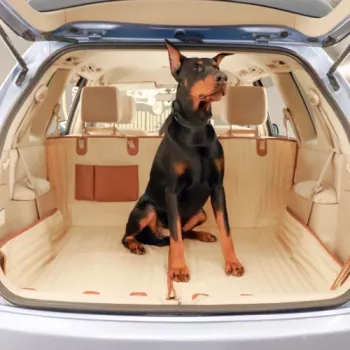
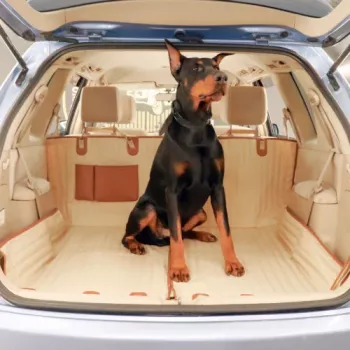
If the goal is quicker cleanup and less wear around the doors, Sturdy Car Dog Hammock With Side Flaps is designed to cover the back seat while adding side protection at common scratch zones. It helps reduce slipping by bridging the footwell gap and shields upholstery from hair, scratches, and moisture—useful for daily errands, weekend drives, and post-park cleanups.
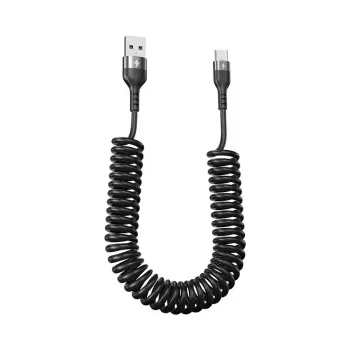
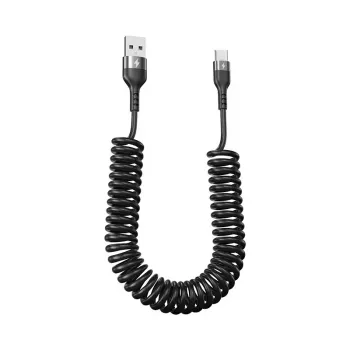
Before ordering, check fit against your vehicle’s back-seat dimensions and confirm headrests are available for secure attachment. For a smoother travel routine, it also helps to keep essential gear powered; consider packing a compact charger option like the 66W 5A Fast Charging Spring Retractable USB Type C Cable – For Car & On-the-Go so navigation and emergency contacts stay accessible on longer trips.
FAQ
Do side flaps really protect car doors from scratches?
Yes—side flaps cover the door-side bolsters and trim where nails often scrape during entry and exit. Protection depends on flap width and whether the flaps stay secured and flush against the door-side edge.
Can a dog hammock be used with a seat belt harness?
Many hammocks include seat-belt access points that let you route a tether through dedicated openings. Use a proper harness and clip the tether cleanly; the hammock itself is a seat cover, not a restraint system.
How do you stop a dog hammock from sliding on leather seats?
Look for a non-slip underside, use seat anchors, and tighten the headrest straps evenly so the base lies flat. After the first drive, re-check tension and adjust if the cover has settled.
Recommended for you








Leave a comment