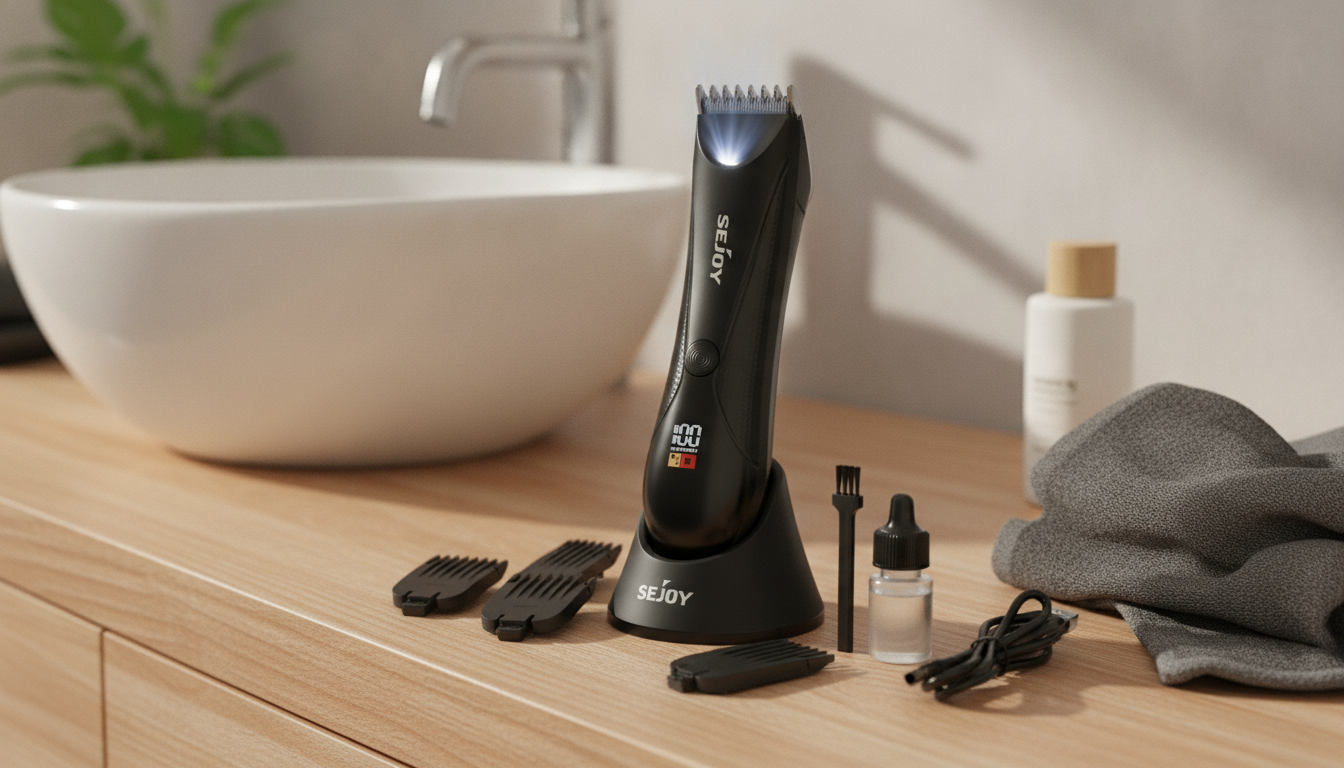
A dedicated body and groin trimmer helps keep grooming simple, controlled, and more comfortable than using a standard beard clipper. The right design can make a noticeable difference in sensitive areas where skin is softer, looser, and more prone to irritation. Below is a practical guide on what sets these tools apart, how to trim more safely, and how to keep your trimmer performing consistently over time.
What Makes a Body & Groin Trimmer Different
Groin grooming isn’t just “smaller haircutting.” It involves curves, folds, and delicate skin—especially around the inner thigh, base, and scrotum—where nicks can happen quickly if the tool is bulky or hard to control.
- Built for contour control: A body/groin trimmer is typically shaped for tighter maneuvering along curves where a full-size clipper can feel clumsy.
- Comfort-forward cutting: These trimmers often prioritize guard options and smoother cutting geometry over ultra-fast bulk cutting.
- Not just for the groin: They’re handy for chest, underarms, legs, back touch-ups, and quick neckline cleanup.
- Rechargeable convenience: Cordless trimming supports quick maintenance without fighting a cord in small spaces.
A rechargeable groomer is ideal for routine maintenance—keeping hair short and even with fewer passes and less tugging than a one-size-fits-all clipper approach.
- Rechargeable convenience: Easier to keep ready for quick touch-ups and travel packing.
- Better maneuverability: More precise in tight areas than full-size clippers.
- Best for steady upkeep: Great for short, even trims rather than aggressive removal in one pass.
- More consistent results: The right guard + light pressure often means fewer repeat strokes and less irritation.
Quick checklist before buying
| Feature |
Why it matters for groin grooming |
What to confirm |
| Guards/attachments |
Helps avoid accidental too-short trims and reduces direct blade-to-skin contact |
Included guard sizes and how firmly they lock in place |
| Grip and control |
Prevents slips in wet bathrooms and around angles |
Non-slip grip, balanced weight, easy on/off control |
| Charging method |
Makes it easier to keep the device ready |
Cable type, charging time estimate, battery runtime estimate |
| Cleaning routine |
Reduces odor and irritation risk |
Rinseability, brush included, removable head |
| Noise/vibration |
Sensitive areas can feel harsher with strong vibration |
Reviews noting comfort, smoothness, and noise level |
How to Trim the Groin Comfortably (Step-by-Step)
A careful routine matters more than speed. The goal is controlled reduction, not “as close as possible.”
Reducing Irritation, Razor Bumps, and Ingrowns
If irritation is a recurring issue, a small change in length or technique can make a big difference. Dermatology guidance on razor bumps highlights that overly close removal can increase irritation and ingrowns; trimming with a bit of length is often a calmer approach for sensitive skin. For more background, see the American Academy of Dermatology Association overview on razor bumps.
- Trim—don’t chase ultra-smooth: Leaving a tiny bit of length often reduces itch, friction, and ingrowns.
- Use gentle pressure: Multiple light passes are safer than one forceful pass.
- Skip harsh aftershaves: Alcohol-heavy products can sting and dry the area; fragrance-free moisturizers tend to be better tolerated.
- Adjust if needed: If irritation persists, trim less frequently, use a longer guard, and avoid tight clothing immediately afterward.
- Know when to pause: If redness, swelling, or pain worsens, stop grooming and consider medical advice—especially if you suspect folliculitis. The Mayo Clinic’s overview of folliculitis is a helpful reference for symptoms and causes.
Cleaning, Maintenance, and Blade Care
Simple maintenance schedule
| When |
What to do |
Purpose |
| After each use |
Brush out hair and wipe the head/body |
Keeps cutting smooth and more comfortable |
| Weekly (or after heavy use) |
Deeper clean of the head and guard attachments |
Prevents buildup and odor |
| Monthly |
Check guards for wear and confirm cutting head alignment |
Helps avoid uneven trims and pulling |
| As needed |
Recharge fully and inspect cable/port condition |
Reduces charging issues and downtime |
Charging and Travel Tips
Recommended Picks from the Store
FAQ
Is it better to trim the groin hair wet or dry?
Dry trimming usually offers better control and visibility, which can help reduce slips in sensitive areas. Wet trimming can feel more comfortable if your trimmer is designed for it—follow the product instructions and prioritize traction and a steady grip.
How short should groin hair be trimmed to reduce itching?
Leaving a small amount of length often reduces itchy sharp stubble and skin friction. Start with a longer guard setting, then adjust shorter only if your skin tolerates it well.
How often should a body and groin trimmer be cleaned?
Remove hair after every use, then do a deeper clean about once a week (or sooner with heavy use). Let parts dry fully and follow the manual for rinsing and any blade-oiling guidance.
Recommended for you












Leave a comment