A U-shaped memory foam neck pillow supports the head and neck when sitting upright, helping reduce strain during flights, road trips, office breaks, and recovery time at home. The right fit comes down to foam firmness, height, cover feel, and how securely the pillow stays in place while resting.
What a U-Shaped Memory Foam Neck Pillow Does
A U-shaped neck pillow is built for seated rest, where the neck tends to fatigue as the head drifts forward or tilts to one side. When the shape and height match your posture, it can make upright downtime feel more stable and less “wobbly.”
- Cradles the neck to limit side-to-side head tilt while seated
- Supports the natural curve of the cervical spine to reduce muscle guarding
- Provides a stable “resting pocket” for the jawline and base of the skull
- Works best for upright rest (plane seat, car passenger seat, desk chair, wheelchair), not as a replacement for a bed pillow
If ongoing neck discomfort persists, reviewing general guidance on neck pain can be helpful; see MedlinePlus: Neck pain for an overview of common causes and when to seek care.
Why Memory Foam Feels Different
Memory foam responds to heat and pressure, which is why it often feels more supportive than pillows filled with loose material. Instead of shifting away from pressure points, it gradually molds to the neck and jawline to create a steadier “nest” during long rides.
- Contours to body heat and pressure, distributing load more evenly than loose-fill pillows
- Helps maintain consistent support instead of flattening quickly during a long trip
- Reduces pressure points along the jaw and behind the ears when the cover fabric is smooth
- Can feel firmer in cold environments and softer as it warms—important for air-conditioned cabins
That temperature sensitivity is normal: a pillow that feels firm right after boarding can become more adaptive after several minutes of contact.
Comfort Factors That Matter Most
Small design details make a big difference when you’re trying to rest in an upright seat. Prioritize fit over “plushness,” since the goal is alignment and gentle stability.
- Height and thickness: too tall pushes the head forward; too low allows the chin to drop
- Side support depth: higher side bolsters help with window-seat leaning and side-sleeping upright
- Opening size: a tighter front gap feels more secure; a wider gap feels less restrictive
- Cover feel: soft, breathable fabrics help with heat; smooth knits reduce friction on skin and hair
- Portability: lighter pillows and compressible designs are easier to pack and carry
For many travelers, the “sweet spot” is a pillow that supports the sides of the neck without forcing the chin down toward the chest. If you’re experimenting with a new pillow, test it in the position you’ll actually use (upright, seatback behind you, shoulders relaxed), not while standing.
Quick Comparison: Common Travel Pillow Fills
Use the chart below to match pillow material to typical travel needs and sensitivity to heat, firmness, and packability.
Travel pillow materials at a glance
| Material |
Support |
Pressure relief |
Heat feel |
Packability |
Best for |
| Memory foam |
High |
High |
Medium to warm |
Medium |
Long rides, consistent support |
| Microbeads |
Medium |
Medium |
Cool to medium |
High |
Flexible fit, easy packing |
| Inflatable |
Low to medium |
Low to medium |
Cool |
Very high |
Ultralight travel, compact bags |
| Polyfill |
Low to medium |
Low |
Cool |
Medium |
Budget comfort, short trips |
Best Use Cases and Simple Positioning Tips
A good pillow won’t override poor posture, but it can reduce the effort your neck muscles spend “holding you up” during downtime. The easiest upgrades usually come from slight angle changes and intentional placement.
Flights and trains
- Rotate the pillow so the higher side supports the leaning direction (window-side support).
- Let the pillow fill the space between your neck and the seat area rather than propping only the back of your head.
Car passenger seat
Desk breaks, reading, or gaming
- Recline slightly if possible; avoid forcing the chin downward into the front of the pillow.
- Use short breaks to reset posture and reduce stiffness; sleep health habits also play a role in how rested you feel overall (see CDC: About sleep and sleep health).
Recovery and relaxation
Care, Cleaning, and Longevity
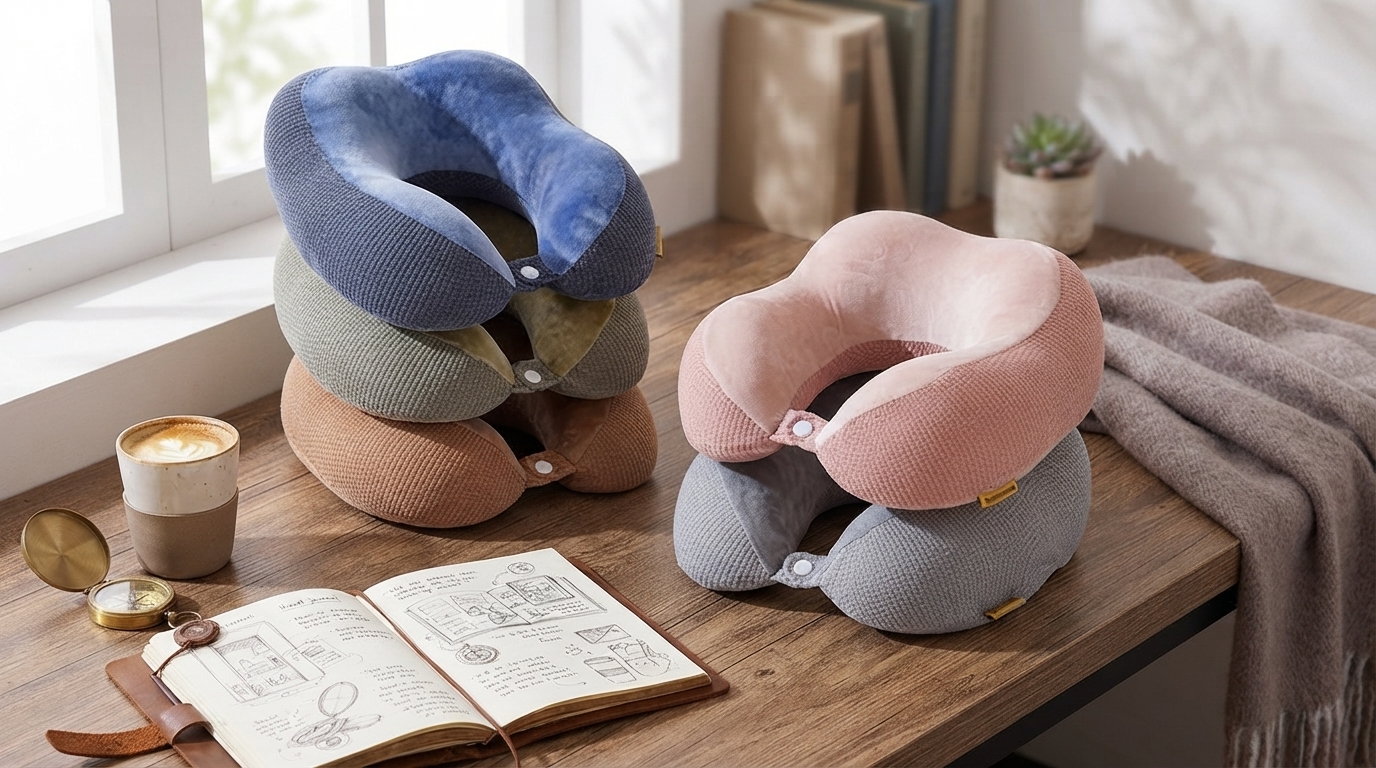
If you’re looking for a simple, supportive option for commuting and longer rides, the Memory Foam U-Shaped Neck Pillow is designed for seated comfort during travel, office breaks, and daily downtime. Its memory foam construction contours around the neck and jawline, helping create a steadier resting position when you can’t fully recline.
Two small add-ons that make travel days smoother
FAQ
How tight should a U-shaped neck pillow feel?
Snug is ideal: tight enough to reduce head wobble, but not so tight that it pushes the head forward or compresses the throat. You should be able to breathe and swallow comfortably while the neck feels gently supported.
Can a memory foam neck pillow help with neck pain during travel?
It can reduce strain by supporting a more neutral neck position during upright rest, especially on long rides. Results depend on fit, seat posture, and existing conditions, so persistent or severe pain should be discussed with a clinician.
How do you clean a memory foam travel pillow?
Wash the removable cover according to its care label, and spot-clean the foam with mild detergent and a damp cloth. Let the foam air-dry completely away from direct heat before using it again.
Recommended for you











Leave a comment