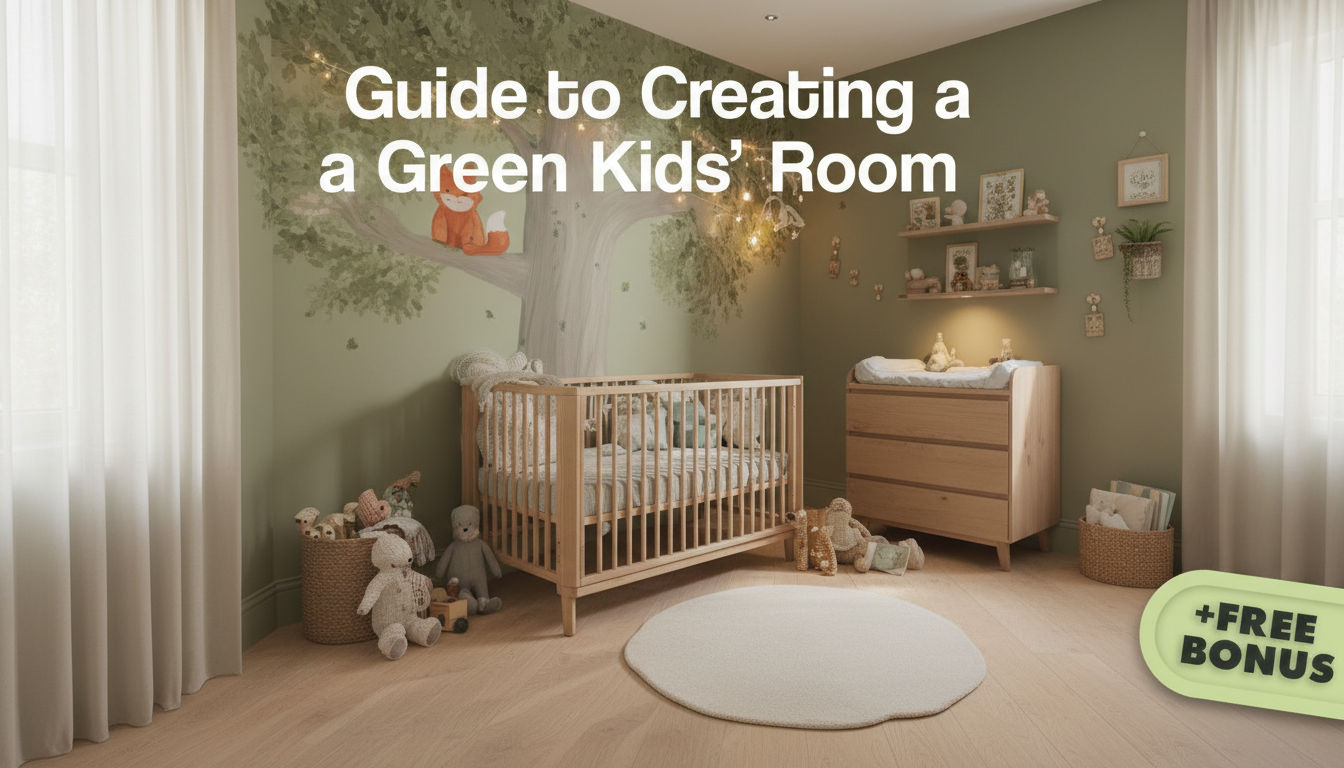
Guide to Creating a Green Kids’ Room: Non-Toxic, Natural, and Sustainable Bedroom Ideas
A greener kids’ room focuses on healthier air, safer materials, and durable choices that can grow with a child. The goal is to reduce exposure to harsh chemicals, choose natural and responsibly made items, and build a space that stays cozy, functional, and easy to refresh over time—without needing a full remodel.
Start With What Matters Most: Air Quality and Everyday Exposure
If you’re prioritizing changes, start with what your child touches and breathes around the most: the mattress, bedding, rugs, curtains, and wall finishes. These items sit close to little lungs and skin for hours at a time.
- Increase fresh air exchange: open windows when weather allows, run exhaust fans, and skip plug-in “air fresheners” or heavily scented sprays that can add extra irritants.
- Choose low-odor, low-emission materials: and when possible, let new items off-gas outside the bedroom (a garage or covered porch) before bringing them in.
- Control dust simply: wash textiles regularly, vacuum with a HEPA vacuum if you have one, and keep plush clutter manageable so dust has fewer places to settle.
For more background on why indoor air matters, the U.S. Environmental Protection Agency (EPA) Indoor Air Quality guidance is a helpful reference.
A Practical, Low-Waste Room Plan
“Green” often starts with using what you already own. A low-waste plan keeps functional pieces in play and focuses spending on upgrades with the biggest everyday benefit.
- Reuse first: keep solid wood furniture, baskets, and storage cubes that are still sturdy.
- Refresh instead of replace: swap knobs, add washable covers, rearrange the layout, and rotate decor seasonally to keep the room feeling new.
- Create zones to reduce clutter: a sleep zone, a play/learn zone, and a “drop zone” for backpacks and daily essentials.
- Build in flexibility: choose neutral base pieces, then let textiles, art, and lighting do the “personality” work as interests change.
Low-Waste Upgrades With High Impact
| Upgrade |
Why it helps |
Budget-friendly approach |
| Bedding & pillow covers |
Close-to-skin comfort with fewer irritants |
Choose natural fibers; keep a second set to reduce emergency laundry |
| Rug swap or rug pad |
Improves comfort and reduces dust traps |
Use a smaller natural-fiber rug; shake outside often |
| Curtains/blackout layer |
Better sleep and temperature control |
Layer simple cotton curtains with removable blackout liner |
| Lighting |
Reduces harsh glare; supports bedtime routine |
Use warm bulbs and a dimmable lamp instead of overhead-only |
Non-Toxic Materials to Look For (and What to Avoid)
When you’re shopping, a simple rule helps: choose fewer coatings, fewer added fragrances, and fewer mystery materials—especially for items used daily.
- Textiles: favor organic cotton, linen, wool, or hemp; avoid heavy “stain-resistant” treatments when feasible.
- Furniture: look for solid wood or responsibly sourced plywood with low-emission finishes; avoid strong chemical odors and unknown composites.
- Paint and wall finishes: choose low-VOC or zero-VOC options, then allow curing time with good ventilation before regular use.
- Flooring and rugs: natural materials (wool, jute, sisal, cotton) can be easier to live with than synthetics that may off-gas.
- Avoid when possible: fragranced products, harsh aerosols, vinyl-heavy decor, and anything with a persistent plastic smell.
If you’re evaluating older furniture or renovations, it’s also worth reviewing guidance on lead in paint from the CDC and formaldehyde standards for composite wood products from the California Air Resources Board (CARB).
Natural Decor That Still Feels Fun and Kid-Friendly
Natural materials don’t have to look “serious” or beige. The key is putting color and creativity into pieces you can wash, swap, or move—rather than replacing major furniture.
- Use color strategically: paint accents, removable art, and textiles deliver a big mood change without constant buying.
- Bring in nature-inspired texture: woven baskets, wooden toys, plant-themed prints, and cozy throws add warmth.
- Choose washable layers: slipcovers, machine-washable pillow covers, and easy-to-clean play mats keep maintenance realistic.
- Prefer durable, repairable items: stitched fabric storage, solid hooks, and sturdy shelving anchored for safety.
- Support sensory comfort: soft lighting, a calming corner, and a consistent bedtime setup help the room feel steady.
Safer Sleep Setup: Mattress, Bedding, and Nighttime Comfort
Sleep is the “longest exposure” in the room, so small upgrades here can feel like a major quality-of-life improvement.
Cleaning and Maintenance With Fewer Harsh Chemicals
A Room Refresh Checklist You Can Follow in One Weekend
Helpful Picks to Plan and Personalize the Space
Printable Digital Guide for a Green Kids’ Room
FAQ
What are the easiest eco-friendly changes to make in a kids’ bedroom?
Start with bedding and pillow covers in natural fibers, switch to low-fragrance laundry and cleaning products, and improve ventilation. Warm, dimmable lighting and a smaller natural-fiber rug (or washable layers) can also make a quick, noticeable difference.
How long should paint or new furniture air out before a child sleeps in the room?
Follow the product’s label for curing time, and ventilate heavily for several days when possible. If strong odors linger or your child is sensitive, consider having them sleep elsewhere temporarily until the smell is gone.
Are natural fiber rugs better for a kids’ room?
They’re often lower-odor and more breathable than many synthetic options, but they can shed and may need different cleaning habits. Choosing a tight weave, a smaller size, and a good rug pad can make upkeep much easier.
Recommended for you











Leave a comment