Smart Style on Any Budget: An AI Fashion Guide for Finding Clothes That Match Your Look and Your Spend
Great style doesn’t have to mean overspending or endless scrolling. With the right inputs, AI can help narrow down colors, silhouettes, outfit formulas, and shopping priorities so purchases feel intentional—whether the budget is tight, mid-range, or flexible. This guide breaks down how AI-driven recommendations work, what information to provide for better results, and how to translate suggestions into outfits that fit real life.
What “smart style on a budget” actually means
Budget-friendly style isn’t about buying the cheapest option—it’s about buying the right option for how you actually live. “Success” usually sits inside three constraints:
- Budget ceiling: a clear max per item (and a monthly/seasonal cap) so one “great deal” doesn’t derail everything else.
- Lifestyle needs: work requirements, weekend habits, travel, events, climate, and laundry routine.
- Comfort requirements: fit preferences, fabric sensitivities, mobility needs, shoe height limits, and temperature tolerance.
Next, separate style identity from trends. The fastest path to consistent outfits is a repeatable formula you can remix, like:
- Straight-leg jeans + fitted tee + structured layer
- Wide-leg pants + tucked tank + cardigan/blazer
- Midi skirt + knit top + sleek sneakers or low heel
Finally, use cost-per-wear thinking. If you’ll wear it weekly, it deserves more of the budget (shoes, outerwear, jeans, a daily bag). If it’s occasional or trend-driven, it’s safer in the “save” tier. Also plan for the full outfit: tailoring, underlayers, and accessories are often the difference between “fine” and polished.
How AI can suggest clothes that fit both budget and style
Most AI-driven shopping recommendations work by combining preference signals (liked looks, saved items, color choices) with constraints (price cap, sizing, brand exclusions) and then ranking options that best match your pattern. In other words: the more precise your boundaries are, the less random the results feel.
Specific inputs beat vague aesthetics every time. Instead of “I like chic outfits,” details like “mid-rise only,” “crew necks feel restrictive,” or “no scratchy wool” help filter out items that look good on a screen but won’t get worn. AI can also detect repeat patterns—your go-to silhouettes, your most flattering proportions, your most-worn color combinations—then suggest similar pieces at lower price points or from alternative retailers.
Another underrated benefit is reducing “closet friction.” If recommendations focus on pieces that work with what you already own, you’ll get more outfits per purchase and fewer lonely items that only pair with one thing.
Example inputs that improve AI outfit suggestions
| Input to provide |
Why it matters |
Simple example |
| Budget range per item |
Prevents unrealistic recommendations and keeps the search tight |
$30–$60 tops, $80–$150 shoes |
| Occasions and dress codes |
Ensures outfits fit real-life needs, not just aesthetics |
Office casual 3 days/week; 1 formal event/month |
| Fit and comfort rules |
Avoids items that look good but won’t get worn |
No scratchy wool; mid-rise only; wide toe box shoes |
| Color preferences |
Builds a cohesive palette for easier mixing |
Neutrals + one accent color (navy, cream, burgundy) |
| Brands/retailers to include/exclude |
Aligns with sizing reliability, ethics, shipping, returns |
Avoid final sale-only retailers; include inclusive sizing brands |
For budget-aware results, “tiering” works especially well: invest in shoes/outerwear and a few high-impact staples, and save on basics that are easy to replace and trend items that may not last beyond a season. For more on responsible AI use and decision-making, helpful references include the NIST AI Risk Management Framework and the OECD AI Principles.
A practical workflow: from closet audit to AI-powered shopping list
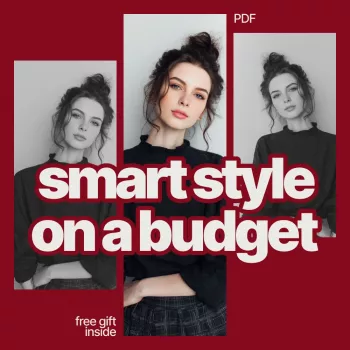
If you want a repeatable method you can reuse season after season, Smart Style on Any Budget – AI Fashion Guide (Ebook) organizes these steps into practical checklists so it’s easier to shop with consistency instead of starting over every time.
Budget-friendly styling moves that make outfits look expensive
Common pitfalls when using AI for fashion—and how to avoid them
When recommendations or reviews influence purchases, it’s also worth knowing how endorsements should be presented; the FTC’s guidance on endorsements and testimonials is a useful reference for evaluating claims and transparency.
Ebook: Smart Style on Any Budget – AI Fashion Guide
Small add-ons that support the “polished” look
- Streamlined grooming and touch-ups: a compact tool helps keep makeup application clean and quick—especially for on-the-go days. The Double-ended Portable Makeup Brush is an easy, low-cost add-on for a tidy routine.
- One accessory that works with everything: a neutral watch or simple jewelry can pull outfits together without requiring more clothing. The Olivia Burton Silver & Grey Watch pairs smoothly with cool neutrals and office-casual looks.
- Minimal but repeatable: prioritize add-ons that elevate many outfits rather than one-event pieces that sit unused.
FAQ
What information should be shared with AI to get outfit recommendations that actually fit?
Share measurements (or best-fitting garment measurements), non-negotiable comfort rules (rise, sleeve length, fabric sensitivities), lifestyle/dress codes, and a small set of reference images. Add a clear price cap per category so suggestions stay realistic.
Can AI help shop sustainably while staying on budget?
Yes—set constraints like preferred materials, durability priorities, and secondhand-friendly options, then ask for fewer, more versatile items with higher cost-per-wear value. Filtering for retailers with transparent policies and easy returns also reduces waste.
How can a capsule wardrobe be built without buying a whole new closet?
Build it in phases: audit what you own, pick a palette, identify 10–15 core items to support your anchor outfits, then fill only the most blocking gaps first. Require each new item to match at least three pieces you already have.
Recommended for you











Leave a comment