Toenail Clippers for Thick Nails: Precision Trimming for Seniors and Adults
Thick or tough toenails can turn a basic grooming task into an uncomfortable struggle. Standard clippers may pinch, bend the nail before it cuts, or leave rough edges that snag on socks. Precision trimmers made for thicker nails focus on cleaner cuts, steadier control, and safer handling—especially helpful for seniors and adults who may have reduced grip strength, arthritis, or limited flexibility.
Why thick toenails need a different kind of clipper
Toenails can become thicker with age, repetitive pressure from shoes, or underlying conditions. When the nail plate is dense, a typical small clipper may not have the jaw width or cutting power to do the job cleanly.
- Thicker nails resist standard clipper jaws, increasing the chance of crushing, splitting, or jagged edges.
- A stronger, wider cutting edge helps slice through dense nail material with less repeated pressure.
- Better control reduces sudden “snap” cuts that can nick skin, especially around corners.
- For seniors and adults with limited dexterity, comfort features (grip and leverage) can matter as much as sharpness.
Key features that improve precision and comfort
When shopping for thick-nail clippers, prioritize cut quality and hand comfort. The goal is a controlled, predictable cut that doesn’t require “white-knuckle” squeezing.
- Cutting edge: sharp, accurately aligned blades help make smoother cuts on thick nails and reduce tearing.
- Jaw opening and width: a wider opening accommodates thicker nails without forcing the clipper.
- Leverage and spring action: designs that reduce hand strain can help maintain steady control through the cut.
- Handle grip: textured, non-slip surfaces can be easier to hold with dry or lotion-softened hands.
- Tip visibility: a shape that helps see the nail edge can support safer corner trimming.
Feature checklist for thick-nail precision trimmers
| Feature |
Why it helps |
What to look for |
| Sharp, aligned blades |
Cleaner cut with fewer splits |
Even blade contact; smooth cut line |
| Wider jaw opening |
Fits thick nails without forcing |
Room for dense nail thickness |
| Comfort leverage |
Less hand fatigue during tough cuts |
Firm action that doesn’t require squeezing hard |
| Non-slip grip |
Improves control and safety |
Textured handle; stable hold |
| Controlled tip |
More accurate corner shaping |
Narrower front or guided cutting area |
Safe trimming routine for thick nails
A consistent routine makes thick nails easier to manage and helps reduce cracking. If nails are unusually thick, discolored, or crumbly, consider reading about common causes such as fungal nail changes from a medical source like Mayo Clinic.
- Soften first: trim after a shower or a warm foot soak to reduce resistance.
- Dry thoroughly: wet nails can bend; dry nails help achieve a cleaner, controlled cut.
- Trim in small sections: avoid taking large bites; work gradually across the nail.
- Keep a straight shape: reduce the risk of ingrown corners by avoiding aggressive rounding.
- Smooth after clipping: use a file to remove sharp edges and reduce snagging on socks.
- Stop if pain occurs: redness, swelling, or bleeding should prompt a pause and reassessment.
If flexibility is limited, set up a stable chair, use bright lighting, and consider trimming one foot at a time rather than rushing. Good visibility helps prevent cutting too deeply at the corners. For general foot-care guidance, the American Podiatric Medical Association (APMA) is a helpful reference.
Common mistakes that cause splitting and jagged edges
- Using small fingernail clippers on toenails, which can crush instead of cut.
- Forcing the jaws through hard nail sections, leading to cracking or layered splits.
- Cutting too close to the skin at the corners, increasing irritation risk.
- Skipping cleaning: buildup on blades can reduce cutting performance and hygiene.
- Clipping nails that are extremely thick or deformed without proper visibility or assistance.
Another overlooked factor is footwear pressure. Tight toe boxes can encourage nail trauma over time, making nails harder and more irregular. If you have diabetes or reduced circulation, follow conservative foot-care habits and consult reputable guidance such as the CDC’s foot care recommendations.
Care, cleaning, and longevity
Even a strong clipper won’t stay precise if residue builds up or the blades are knocked out of alignment.
- Rinse and wipe after use to remove nail dust and reduce residue on the cutting edge.
- Disinfect periodically (especially if shared) and dry fully to limit rust and dulling.
- Store closed and protected to prevent blade misalignment from drops or pressure.
- Replace if the cut becomes uneven, the blades chip, or the jaws no longer meet cleanly.
Product spotlight: Precision trimmers for thick toenails
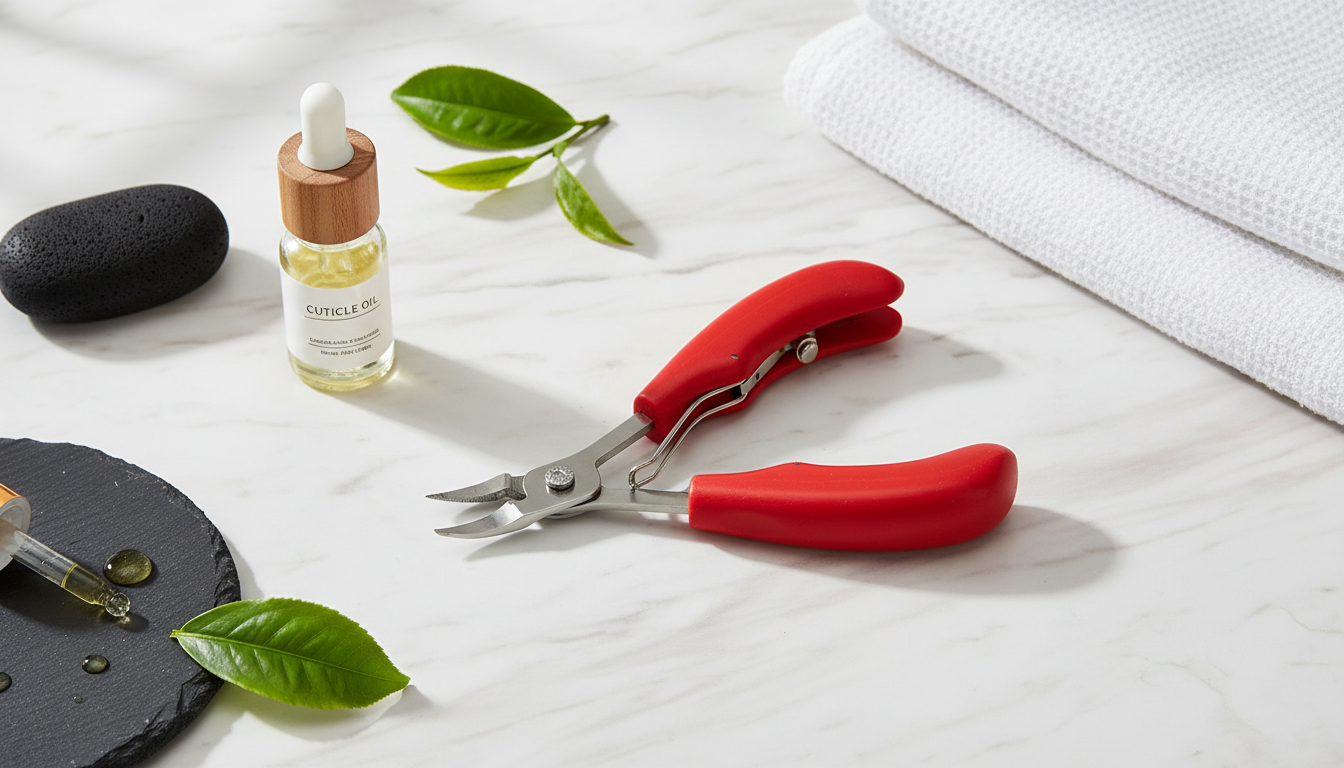
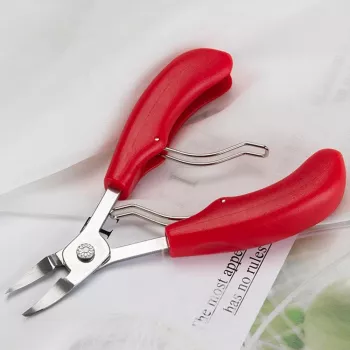
If thick nails have made clipping frustrating, a purpose-built trimmer can make the process more controlled and comfortable. Toenail Clippers for Thick Nails – Precision Trimmers for Seniors & Adults are designed to help clip denser toenails with clean, predictable cuts and improved handling.
Quick details
Optional add-on for tidier maintenance: Double-ended Portable Makeup Brush can be used to dust off nail debris from the clipper hinge and your trimming surface after use.
FAQ
How often should thick toenails be trimmed?
Many people do well trimming every 3–6 weeks, but nail growth varies. Trim sooner if nails start pressing into shoes, catching on socks, or becoming difficult to manage in one session.
Is it better to cut thick toenails wet or dry?
Soften nails first with a shower or warm soak, then dry them before cutting for better control. Take small cuts across the nail to reduce splitting and keep the edge smooth.
When should a podiatrist handle thick toenails instead of home clipping?
Seek professional care if there’s pain, swelling, bleeding, suspected fungal infection, or nails that are very thick, distorted, or hard to see clearly. People with diabetes, poor circulation, neuropathy, or limited dexterity/vision should also consider podiatry care for safer trimming.
Recommended for you










Leave a comment