Unlock the Perfect Wardrobe Palette for Olive Skin: A Practical Color Guide for Flawless Outfits
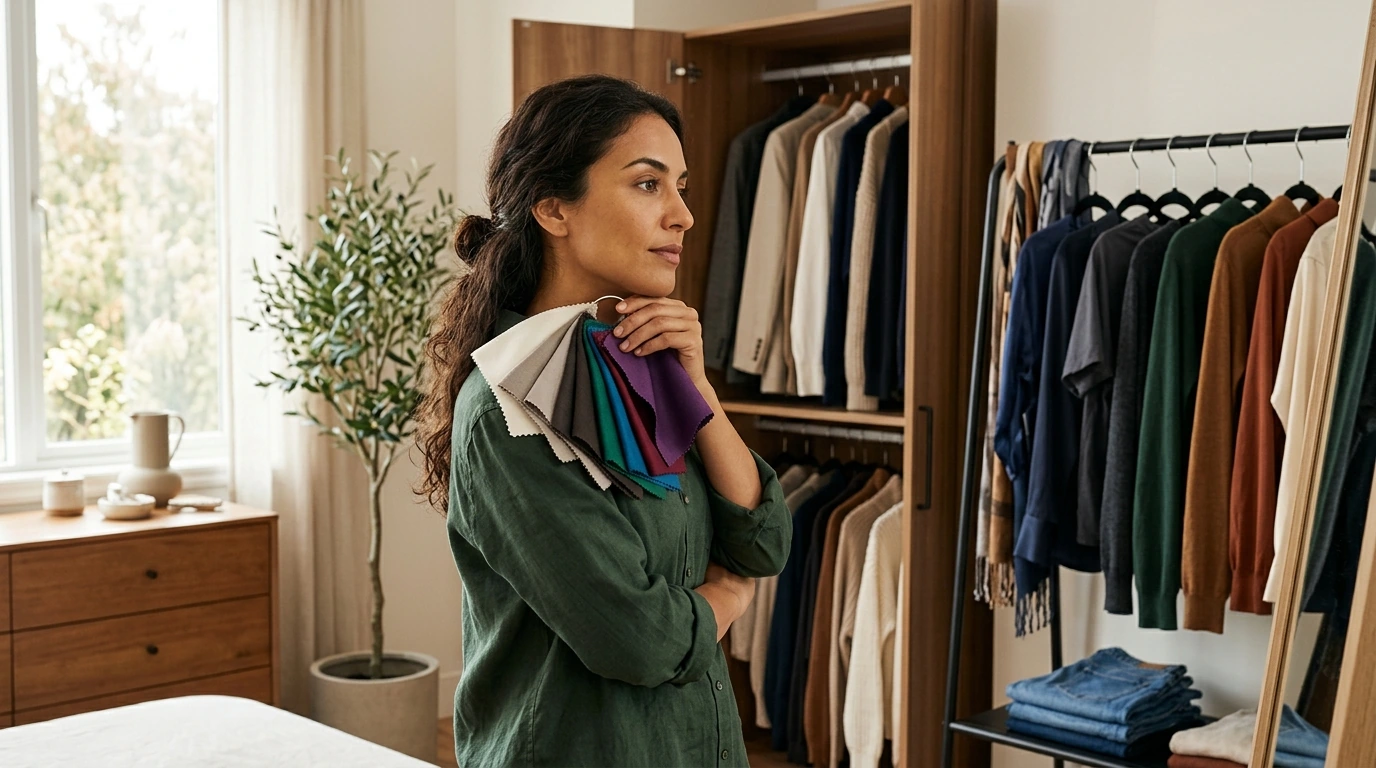
Olive skin can shift between warm, cool, and neutral depending on lighting, season, and undertone—making color choices feel unpredictable. A focused palette removes the guesswork by highlighting shades that brighten the complexion, smooth unevenness, and create intentional contrast. Below is a practical way to identify your undertone direction, choose reliable neutrals, add high-impact hero colors, and avoid the shades that tend to turn olive skin “muddy.” For more guidance, see The Ultimate Guide to Colors for Olive Skin Tones.
Why Olive Skin Is Unique (and Why Color Choices Matter)
Olive skin often includes a subtle green or gray cast. That cast can make certain colors look flat or sallow, while others look instantly vibrant and “clean.” Undertone matters, but with olive skin, saturation and contrast matter just as much: many people look best in medium-to-deep, clearer shades rather than dusty or chalky ones. For further reading, see Best Colors for Olive Skin: Clothes & Palette.
Color choices also affect perceived clarity. The right top color can make under-eye darkness look softer and help the skin read more even. Once you settle on a consistent palette, shopping becomes faster and outfits mix more easily across seasons—especially when tops and outer layers (closest to the face) stay within your strongest range.
Quick Undertone Check: Warm-Leaning, Cool-Leaning, or Neutral Olive
Olive undertones typically read as warm-leaning, cool-leaning, or neutral. Warm-leaning olive tends to glow with golden warmth (but can look overwhelmed by overly yellow shades). Cool-leaning olive usually looks sharper in blue-based colors and jewel tones (while very warm orange can emphasize sallowness). Neutral olive often wears both warm and cool, but looks best when colors are clean and moderately saturated.
Fast at-home checks: hold gold and silver jewelry near your face in daylight; compare crisp white vs. cream; and see whether coral or berry lipstick looks more harmonious. If one option makes your skin look clearer and your eyes stand out, that’s your “direction.”
Fast color clues for olive undertones
| If this looks best… |
Likely undertone direction |
Try these clothing colors |
| Cream/ivory and warm beige |
Warm-leaning olive |
Camel, chocolate, olive green, teal, tomato red |
| Crisp white and charcoal |
Cool-leaning olive |
Emerald, cobalt, navy, blue-red, magenta |
| Both cream and white work (neither is perfect) |
Neutral olive |
Deep taupe, espresso, forest green, burgundy, true navy |
Best Neutrals for Olive Skin (Foundations for Everyday Outfits)
When you’re unsure, avoid extremes. Optic white and pale icy gray can flatten some olive tones, while very yellow-beige can make skin look dull. Instead, build a neutral lineup that stays “soft-clean” rather than chalky or overly warm.
Olive-friendly light neutrals
Ivory, ecru, mushroom, soft stone, warm gray, and greige tend to give olive skin a smoother, brighter look without turning ashy.
Olive-friendly dark neutrals
Espresso, deep chocolate, charcoal, ink navy, deep olive, and slate are dependable for jackets, knits, trousers, and elevated basics—especially when you want a polished look without fighting your undertone.
Denim guidance
Dark indigo and inky black denim are unusually reliable on olive skin. Mid-wash can work too, but it often looks best when you add stronger contrast near the face (like charcoal, ivory, teal, or burgundy up top).
Hero Colors That Make Olive Skin Look Clear and Bright
Hero colors are the shades that make olive skin look crisp and intentional. These often have clarity (not too dusty) and enough depth to create flattering contrast.
Jewel tones
Blue-greens
Reds, berries, and purples
Greens beyond olive
Colors That Commonly Clash (and Smart Swaps)
Easy Outfit Formulas Using an Olive-Friendly Palette
Match Color to Fabric, Finish, and Lighting
Use the Digital Style Guide to Build a Consistent Closet
To make upgrades faster during online shopping, use a reference you can pull up before adding items to cart. The Unlock the Perfect Wardrobe Palette for Olive Skin – Digital Style Guide & eBook is designed to prevent near-miss shades and duplicate neutrals, so every purchase fits into the same mix-and-match system.
Small Details That Pull the Palette Together
Accessories help “lock in” your palette. Leather tones like espresso, oxblood, and deep tan pair smoothly with olive-friendly neutrals. Jewelry is a quick undertone check in real life: gold often flatters warm-leaning olive, silver often flatters cool-leaning olive, and mixed metals usually suit neutral olive. If you want a sleek silver option, the Olivia Burton Silver & Grey Watch adds crisp contrast without overpowering your look.
Makeup can also reduce color noise. When your outfit is warm-leaning (camel, terracotta, tomato red), choose a blush/lip with a warmer base; when your outfit is cool (cobalt, berry, emerald), choose a cooler berry or rose. A simple tool like the Double-ended Portable Makeup Brush makes it easier to blend so the overall effect stays clean and intentional.
FAQ
What are the most flattering clothing colors for olive skin?
Clear, saturated shades tend to be the most reliable: emerald, teal, cobalt, navy, burgundy, plum, and blue-reds. For everyday foundations, use olive-friendly neutrals like ivory, mushroom, charcoal, espresso, and ink navy.
Can olive skin wear pastels?
Yes—pastels usually look best when they’re dustier or slightly deeper, such as mauve, dusty rose, periwinkle, or soft lilac. Add contrast with a darker neutral near the face (charcoal, ink navy, or espresso) to keep your complexion from looking gray.
Is gold or silver better for olive skin?
Warm-leaning olive often prefers gold, cool-leaning olive often prefers silver, and neutral olive typically suits mixed metals. Test near the face in daylight and choose the metal that makes your skin look clearer and more even.
Recommended for you










Leave a comment