A good pet bed should feel safe, stay comfortable through frequent use, and fit naturally into everyday routines—from quick naps to overnight sleep. A sleeping nest style is designed to support curling up, reduce drafty exposure, and create a calmer resting space for pets who prefer a snug boundary. For many cats and small-to-medium dogs, that “contained” feeling can be the difference between light dozing and truly settling in.
Why a sleeping nest works for many pets
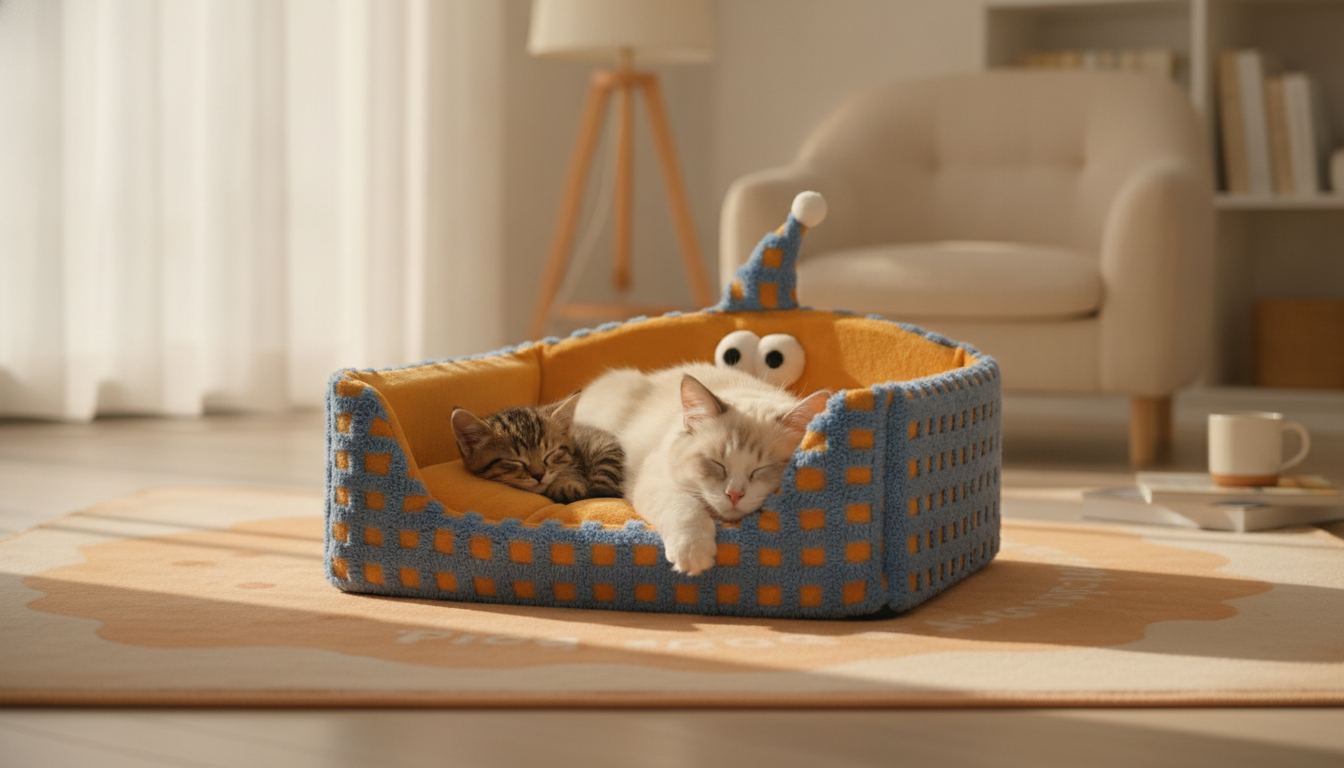
Nest-style beds are built around a simple idea: a defined, cushioned center with raised sides that create a soft perimeter. That structure tends to match how many pets naturally rest—curling up, tucking paws, and leaning into something supportive.
- Snug, raised sides can help pets feel sheltered and supported when they curl up.
- A defined resting area can reduce pacing and help some pets settle faster at bedtime.
- Nest-style beds often suit cats and small-to-medium dogs that like to burrow or lean against a bolster.
- Useful for multi-pet homes when each pet needs a clearly “owned” resting spot.
When a pet has a consistent, comfortable sleep zone, it can also support better daily routines—especially in busy households. For broader everyday pet-care guidance (including building steady routines), resources like the American Veterinary Medical Association (AVMA) pet owner library and the ASPCA general dog care guide are helpful starting points.
Quick comparison: nest bed vs. other common pet bed styles
| Bed style |
Good fit for |
Potential drawbacks |
Typical placement |
| Sleeping nest (bolstered) |
Curlers, burrowers, pets that like leaning on edges |
May feel warm in hot climates; takes a bit more space than a flat mat |
Bedroom corner, living room nook, beside a desk |
| Flat mat |
Sprawlers, crate liners, travel use |
Less “security” from raised edges; can slide on smooth floors |
Crates, car seats (with proper restraint), under tables |
| Orthopedic flat bed |
Older pets needing joint support with easy step-on access |
Often pricier; may not satisfy pets that want a boundary |
Main sleeping area; near family activity |
| Covered cave/igloo |
Shy pets that love full enclosure |
Some pets dislike the roof; harder to clean depending on design |
Quiet rooms; low-traffic areas |
Comfort details that matter day to day
A nest bed can look simple, but the day-to-day experience depends on a few practical comfort details. Paying attention to these points helps you set up a sleep spot a pet will actually choose—again and again.
- Edge support: Raised sides can act like a pillow for head/neck resting and create a boundary that reduces startle from nearby movement.
- Warmth management: Place the nest away from direct heat sources; rotate locations seasonally if a room runs warm or cool.
- Surface feel: A soft interior can encourage longer rest, especially for pets that seek plush textures.
- Shape retention: Look for beds that keep their form after use so the “nest” remains supportive rather than collapsing flat.
If your pet is sensitive to household motion (kids running by, chair wheels, hallway foot traffic), the raised perimeter can provide a subtle “shielded” feeling—especially when the bed is positioned with one side near a wall.
Sizing and placement guide
Getting the right size is less about guessing weight ranges and more about matching how your pet actually sleeps. A nest should feel gently enclosing—not like a wide-open pillow and not like a tight squeeze.
Simple sizing checkpoints
| Checkpoint |
How to measure |
What to aim for |
| Curled-up diameter |
Measure nose-to-rump while curled (approx.) |
Bed inner space slightly larger than this diameter |
| Stretch length |
Nose-to-tail base while stretched |
If the pet stretches often, ensure enough room to extend at least partially |
| Entry height |
Observe ease of stepping into current bed |
Older or small pets benefit from easy step-in access |
Care, cleaning, and keeping the nest fresh
For general grooming and coat-care habits that can reduce shedding and debris tracked into bedding, the American Kennel Club (AKC) grooming guidance offers practical basics.
Who benefits most from a cozy nest bed
When to choose a different bed style
More in-stock picks
FAQ
Is a sleeping nest better than a flat pet bed?
A sleeping nest is often a better match for pets that curl up, burrow, or relax faster with a defined boundary. Flat beds can be a better choice for pets that like to sprawl, for crate use, or in warmer weather. The best option depends on your pet’s sleep style and your home’s temperature.
Where should a pet bed be placed for better sleep?
Place the bed in a quiet, low-traffic corner away from drafts and direct heat. Positioning one side near a wall can help many pets feel more secure. For anxious pets, keeping the location consistent usually works better than moving it around.
How often should a pet bed be cleaned?
Remove loose hair and debris weekly, spot-clean as soon as you notice marks, and do a deeper clean periodically based on shedding and odor. Using a washable blanket or liner inside the bed can make upkeep much easier between full cleanings.
Recommended for you











Leave a comment