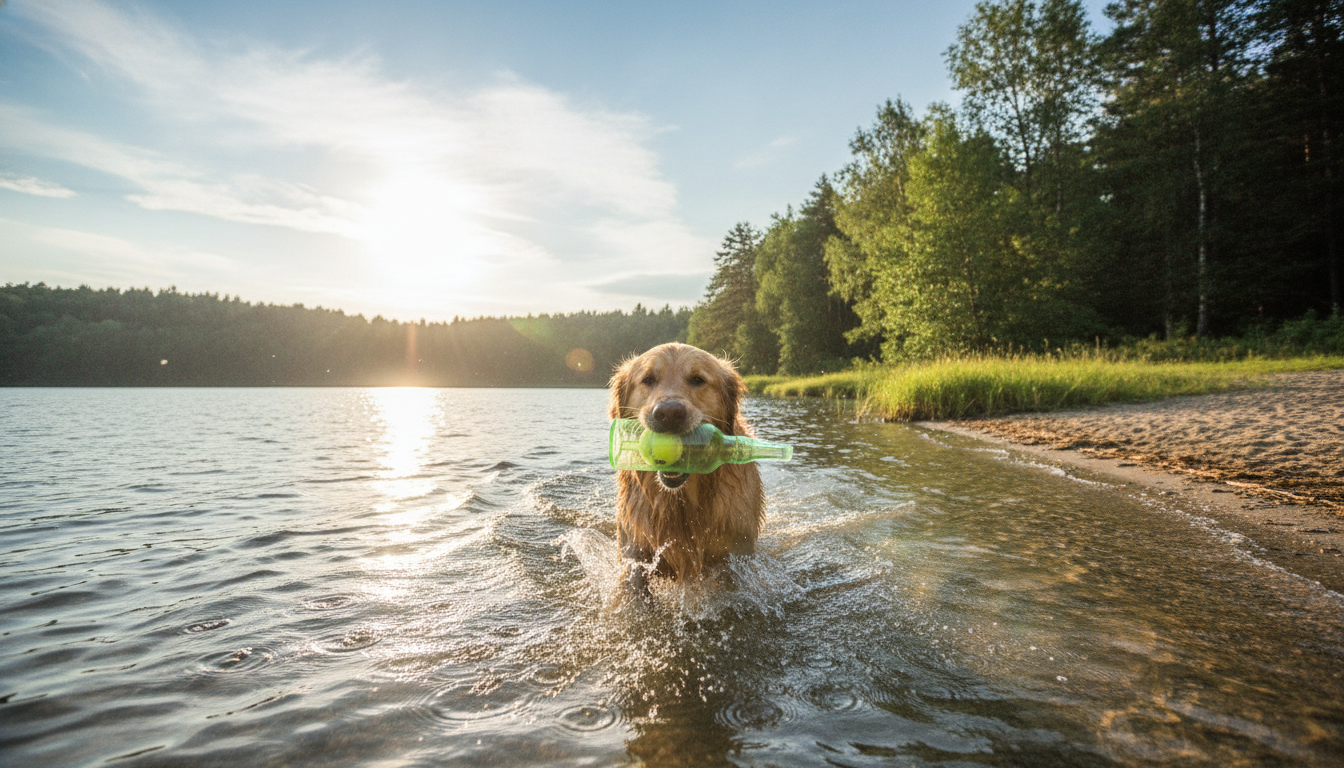
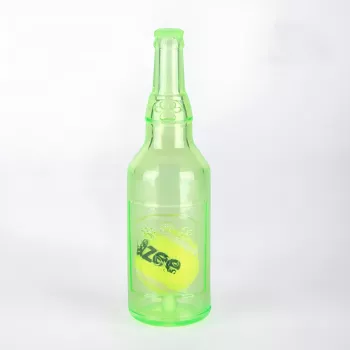
A floating rubber fetch toy adds variety to playtime on land and in the water. The tennis-bottle style profile is designed to be easy for dogs to grab, simple for people to throw, and engaging enough to keep games going longer—especially when splashing and swimming are part of the fun. If your dog loves chasing, carrying, and proudly trotting back with a “trophy,” the Interactive Floating Rubber Tennis Bottle Dog Toy is a practical pick for beach days, backyard sprinkler sessions, and quick park fetch. For more guidance, see Enrichment Activities – Animal Friends.
What makes this toy different during fetch
Many fetch toys work well on dry grass but get frustrating the moment they hit water, mud, or wet sand. A floating rubber design changes the game by staying visible and retrievable instead of sinking, disappearing, or getting lost in shoreline clutter. For further reading, see [PDF] Dog Adoption Packet – SPCA of Wake County.
- Designed for active play that mixes familiar fetch with a water-friendly twist
- Textured rubber feel helps with grip when a toy is wet or muddy
- Bottle-like profile can be easier to pick up than flatter toys for many dogs
- Floating behavior makes it easier to spot and retrieve near shore
That “easy-to-grab” shape can also reduce the awkward pawing some dogs do when a toy is too flat or too smooth. As always, safety comes first—choose a size appropriate for your dog and follow common-sense toy guidance like the recommendations from the American Kennel Club.
Quick fit guide: which dogs and play styles it suits
This style is best for dogs who treat fetch as a cardio sport and enjoy the “run out, grab, bring back” rhythm. It’s also helpful when you’re playing near water where sinking toys become a hassle (or a loss).
- Great match for dogs that enjoy repeated throws, chasing, and carrying
- Useful for beach, pool, lake-edge, and backyard sprinkler play where toys can sink or disappear
- Better for supervised sessions than unsupervised chewing if a dog tends to shred toys
- Consider a different toy type for very strong power-chewers who quickly damage standard rubber toys
Best-use scenarios at a glance
| Scenario |
Why it works |
Tip for best results |
| Water fetch (near shore) |
Floats for easier tracking and pickup |
Start in shallow water and reward returns |
| Backyard fetch |
Easy to throw and carry; quick reset between throws |
Rotate with another toy to prevent overexcitement |
| Dock or poolside play |
Reduced chance of sinking and getting lost |
Use a long line for dogs new to swimming |
| Training sessions |
Fetch can reinforce recall and drop-it |
Use short throws and high-value rewards |
Safety and durability basics
Any fetch toy is safest when it matches your dog’s size, chewing habits, and environment. Water play adds extra variables—slippery surfaces, waves, and higher excitement—so keep sessions supervised and structured.
- Choose a toy size that cannot be swallowed and does not lodge in the throat
- Inspect before each session for cracks, missing pieces, or sharp edges—especially after water play
- Avoid leaving any fetch toy out for constant chewing if a dog is prone to tearing rubber
- Supervise play around pools, lakes, and waves; use a canine life jacket when appropriate
- Stop play if gums look irritated or if the dog starts grinding or obsessively chewing
For water-specific precautions—like avoiding strong currents, monitoring fatigue, and being careful around pool steps—review practical guidance from the AVMA’s water safety tips for pets.
How to use it for better games of fetch
A great fetch session isn’t just “throw farther.” The most satisfying games keep your dog successful, safe, and eager to repeat the pattern. A floating rubber toy works especially well when you build consistency before adding distance or water depth.
- Warm up with short tosses to reduce sudden sprints and slippery takeoffs on wet ground
- Practice “drop it” and “bring” on land before moving to water sessions
- Keep throws low and controlled near other dogs or people to prevent collisions
- End on a successful return, then put the toy away to keep it exciting next time
Cleaning and storage
When to replace it
Pair it with travel gear for easier outings
For car rides after the beach or lake, a protective back-seat cover like the Sturdy Car Dog Hammock With Side Flaps can help contain wet shake-offs and keep sand from settling into seat seams. Pair that with a dedicated rinse-and-dry routine at home, and your fetch toy and vehicle both stay in better shape.
Recommended in-stock picks
FAQ
Is a floating fetch toy safe for all dogs in the water?
It can be safe with supervision, especially when you start in shallow water and keep sessions short. For beginners, brachycephalic breeds, seniors, or dogs that fatigue quickly, a properly fitted canine life jacket is a smart choice, and strong currents or waves should be avoided.
How often should a rubber fetch toy be replaced?
Replace it as soon as you see cracks, tears, loose fragments, or sharp edges, since damaged rubber can become a choking hazard or irritate gums. Heavy chewers and “grinders” may need more frequent replacement than dogs that mostly carry the toy.
How should it be cleaned after lake or ocean use?
Rinse thoroughly with fresh water right after play to remove salt, sand, algae, and debris, then wash occasionally with mild dish soap and rinse again. Let it dry completely before storage, and check textured areas for trapped grit.
Recommended for you









Leave a comment