Cats love two things at once: a warm nap spot and a private nook that feels like a safe little den. A foldable cat bed house combines both, while also making storage and travel far easier than rigid pet furniture. This guide breaks down comfort, materials, sizing, placement, and care—so the bed feels inviting to your cat and practical for daily life.
What a foldable cat bed house adds to everyday comfort
- Creates a den-like space that supports a cat’s preference for enclosed, low-traffic resting areas.
- Helps reduce drafts compared with open mats, especially when placed away from doorways and vents.
- Gives cats an “on/off” social option: nap inside for privacy, step out when they want attention.
- Packs down for storage, cleaning days, trips, or rotating beds between rooms.
Many cats naturally seek sheltered spaces—under chairs, inside boxes, or tucked into closets—because reduced exposure can feel calmer. If you’d like more ideas for cat-friendly home setups, reputable organizations such as the American Association of Feline Practitioners (AAFP) and the ASPCA share helpful guidance on feline behavior and enrichment.
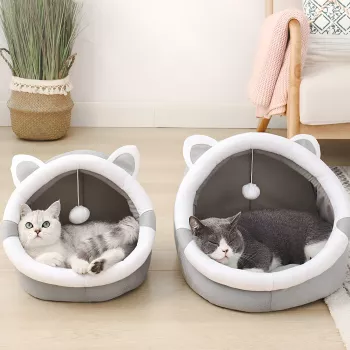
The Cute Foldable Cat Bed House is a compact indoor hideaway that folds down when not in use. It’s a simple way to add an extra nap station to a bedroom, living room, or home office—without committing to bulky pet furniture.
- Designed as a compact indoor hideaway that folds down when not in use.
- Works well for kittens, adult cats, and smaller pets that enjoy enclosed beds.
- Simple setup: pop open, shape the walls, and add a familiar blanket if desired.
- Budget-friendly option for adding an extra nap station in a bedroom, living room, or office.
At-a-glance details
| Item |
What it means at home |
| Product |
Cute Foldable Cat Bed House |
| Type |
Enclosed, foldable cat bed/house |
| Best for |
Cats that prefer hiding, nesting, or den-like naps |
| Storage |
Folds flat for closets, shelves, or under-bed storage |
| Availability |
In stock |
| Price |
$9.51 |
Choosing the right spot: where cats actually use it
- Pick a quiet corner with a wall behind it; cats often relax more when they can’t be approached from every side.
- Avoid direct airflow from heaters, AC vents, and frequently opened doors.
- If your cat likes to observe, place the house near (not on) a stable perch area so they can retreat after watching.
- For multi-cat homes, consider two locations to reduce “bed guarding” and resource tension.
- Add a soft blanket that already smells like your cat to speed up acceptance.
Placement often matters more than the bed itself. A cat who ignores a bed in a busy hallway may happily use the same bed when it’s moved to a quiet corner. If your home has “sunbeam hours,” try positioning the bed house so the entrance faces the warmer side of the room while the back stays sheltered.
How to size an enclosed bed house for comfort
- Interior space should allow a curled-up loaf plus a stretch-and-turn; too tight can discourage use.
- Entry opening matters: an opening that’s easy to step through helps senior cats and larger cats.
- If your cat sprawls rather than curls, consider placing a second open bed nearby as an alternative.
- For kittens, an enclosed bed can feel extra secure; monitor chewing or rough play with soft structures.
A good rule of thumb: your cat should be able to enter without crouching uncomfortably, turn around without pressing hard on the walls, and settle with their whiskers not constantly brushing the entry edge. If you’re unsure, place the bed house where your cat already naps and observe whether they prefer fully inside, half-in/half-out, or simply next to it.
Materials and build: what to look for in a foldable cat bed house
- Stable structure: walls should hold shape without collapsing when a cat leans on them.
- Soft touchpoints: interior surfaces that feel cozy encourage longer, deeper naps.
- Easy-clean surfaces: look for materials that can be wiped or spot-cleaned without holding odors.
- Non-slip base helps prevent sliding on hardwood or tile when a cat jumps in.
- Low-noise fabric reduces crinkling sounds that can startle cautious cats.
Because enclosed beds trap warmth and scent, they can quickly become a “favorite spot”—or a spot your cat avoids if it picks up strong detergent fragrance or lingering odors. Keeping textures comfortable and maintenance simple tends to deliver the best long-term results.
Getting a hesitant cat to use the house
Cleaning and odor control without stressing your cat
When a foldable bed house is especially useful
If you regularly travel by car with pets, keeping hair and litter dust under control can make the ride more comfortable for everyone. For households that also transport a dog (or want broader seat coverage for pet outings), the Sturdy Car Dog Hammock With Side Flaps can help protect upholstery and simplify cleanup between trips.
FAQ
Will an enclosed cat bed house make a cat feel safer?
Often, yes: an enclosed “den” reduces exposure from multiple sides, which can feel calmer for many cats. Placement in a quiet area and adding a familiar-smelling blanket usually increases that sense of security.
How do you clean a foldable cat bed house?
Shake out fur and debris, then spot-clean any marks with a mild, fragrance-free cleaner. If you use blankets or liners inside, wash and fully dry them before reassembling to prevent mildew and lingering odors.
What if my cat ignores the bed house?
Move it to your cat’s preferred nap zone, add a blanket that already smells like them, and try treats or a toy near the entrance. Leave it open and avoid forcing entry—some cats take a week or two to decide it’s “theirs.”
Recommended for you









Leave a comment