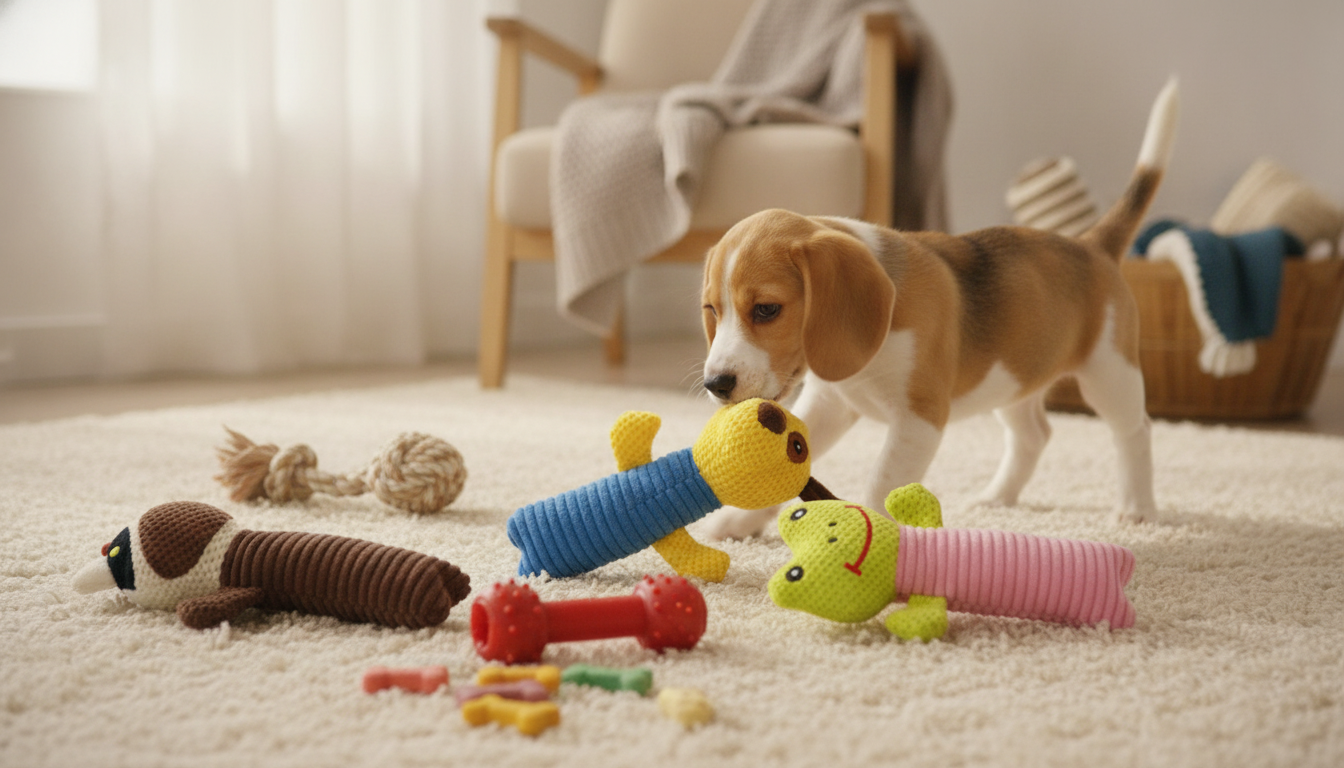
Interactive plush toys combine the comfort of a stuffed animal with features that spark curiosity—like squeakers, crinkle fabric, hidden pockets, or treat compartments. They’re a smart option for dogs that crave attention, need indoor activity, or enjoy gentle tug-and-chase games without the hardness of traditional chew toys. When chosen thoughtfully (and used with supervision), they can turn “nothing to do” moments into satisfying, brain-engaging play.
What Makes a Plush Toy “Interactive”
An interactive plush toy does more than sit there—it responds. The best designs invite your dog to sniff, paw, bite, nudge, carry, and “solve” little challenges.
- Built-in engagement features: squeakers, crinkle panels, rustling paper, or multiple textures to explore.
- Movement or response: toys that react to pawing, shaking, or biting with sound and sensory feedback.
- Puzzle elements: hidden treats, layered fabric, or pockets that encourage sniffing and problem-solving.
- Play variety: supports solo play, gentle tug, fetch, and supervised comfort-carrying.
Benefits for Different Dogs and Lifestyles
Not every dog needs the same type of enrichment, but interactive plush toys fit surprisingly well into many routines.
- Mental stimulation: great for bright, easily bored dogs—especially during work-from-home hours.
- Indoor energy outlet: helpful on rainy days, hot pavement days, or in apartments and limited-yard situations.
- Gentler on mouths: softer than hard rubber for puppies, seniors, and dogs with sensitive teeth (still supervise chewers).
- Supports calmer choices: gives an appropriate “job” (sniff, search, squeak) instead of redirecting that energy to furniture.
- Comfort factor: ideal for dogs that like carrying toys or self-soothing with soft items.
For broader enrichment ideas beyond toys, the ASPCA’s canine enrichment guide offers simple ways to add variety to a dog’s day.
Common Interactive Plush Features to Look For
Small details can make a plush toy last longer and hold attention better—especially if your dog tends to “solve” toys quickly.
- Squeakers: a classic attention trigger; consider quieter squeakers for noise-sensitive households.
- Crinkle fabric: adds sensory variety and can stay interesting longer than a single squeaker.
- Treat pockets or cavities: turns play into sniff-and-reward enrichment; best with small, low-crumb treats.
- Rope limbs or reinforced seams: can improve durability for light tugging and shake play.
- Multiple layers: an outer plush plus inner lining may slow down tearing (not a substitute for supervision).
Picking the Right Size and Texture
Choosing the right plush is mostly about matching your dog’s mouth, play style, and tendency to shred.
- Match size to mouth size: too small can be a choking hazard; too large may reduce engagement.
- For puppies: look for softer fabrics, smaller squeakers, and minimal loose parts; avoid long ribbons that can be swallowed.
- For seniors: prioritize lightweight toys with easy-to-compress squeakers and gentle textures.
- For strong chewers: plush is typically not power-chewer safe—choose reinforced plush and limit to supervised sessions.
- If shredding is the favorite hobby: pick toys with fewer seams, shorter fur, and no easily grabbed decorative pieces.
Safety Basics: Supervision, Parts, and Materials
Plush toys can be safe and enriching, but they’re not “set it and forget it” for many dogs. A quick check before play helps prevent swallowed stuffing or broken squeakers.
For additional toy-safety guidance, the American Veterinary Medical Association (AVMA) pet toy safety tips are a helpful reference.
Play Ideas That Keep Interest High
Care and Cleaning for Plush Toys
Quick Comparison of Interactive Plush Toy Options
| Toy style |
Best for |
Watch-outs |
Tips |
| Squeaker plush |
Chase, fetch, attention games |
Squeaker can be removed and swallowed if torn |
Inspect seams often; store after play if shredding starts |
| Crinkle plush |
Sensory play, quieter households |
Some dogs rip to reach the crinkle layer |
Use short sessions and rotate to prevent fixation |
| Treat-pocket plush |
Sniffing, calmer enrichment |
Crumbs can attract over-chewing or ants |
Use small treats; clean pockets after each use |
| Rope-and-plush hybrid |
Light tug, shake play |
Rope fibers can fray and be swallowed |
Trim loose fibers and replace when fraying grows |
When It’s Time to Replace a Plush Toy
A Soft Interactive Option to Try
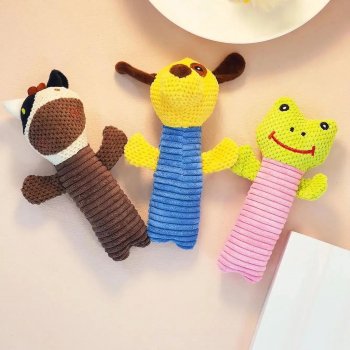
If you’re looking to add simple daily enrichment without bulky gear, take a look at Interactive Plush Dog Toys. Choose a size that matches your dog’s mouth and keep sessions supervised, especially for determined chewers.
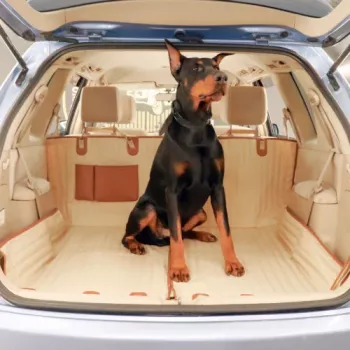
For dogs who travel to parks, daycare, or weekend visits, pairing toy time with car protection can keep fur and muddy paws from taking over the back seat. The Sturdy Car Dog Hammock With Side Flaps helps create a more contained ride so your dog’s favorites can come along without the mess.
FAQ
Are interactive plush toys safe for aggressive chewers?
Plush toys usually aren’t designed for power chewing. If your dog tears toys quickly, use interactive plush only under supervision, choose reinforced seams, and switch to tougher enrichment options if pieces are being swallowed.
How do you clean a plush dog toy with a squeaker?
Check the care label first. If machine washing is allowed, use a laundry bag on a gentle cycle and air-dry; otherwise spot-clean with mild soap and warm water, then dry fully to help prevent mildew and odor.
How often should plush dog toys be replaced?
Replace based on condition rather than a fixed schedule: damaged seams, exposed stuffing, loose squeakers, or persistent odor after washing are key signs. Inspect before play sessions and replace immediately if there’s any choking or swallowing risk.
Recommended for you









Leave a comment