Loose hoodies hit a sweet spot: enough room to move, lounge, and layer—without drifting into an unintentionally sloppy silhouette. The difference usually comes down to cut (especially shoulders and sleeves), fabric weight, and the small details that keep the shape looking intentional: a well-built hood, clean cuffs, and a hem that doesn’t warp after a few washes. Whether you’re running errands, traveling, or building an easy cool-weather uniform, a relaxed hoodie can be one of the most wearable pieces in a men’s closet.
What Makes a Hoodie Feel Truly Loose (Without Looking Oversized in the Wrong Way)
- Shoulder seam placement: Dropped shoulders read relaxed and modern, but the shoulder width still matters. If the seam falls far past your shoulder point, the hoodie can look droopy instead of laid-back.
- Body width vs. length: Extra width creates drape and airflow, while balanced length keeps it from looking boxy. A hoodie that’s too long can bunch at the hips and make the overall outfit feel heavy.
- Sleeve volume: More room through the bicep and forearm is what makes a hoodie feel “easy” when you drive, type, or layer. Even in a loose cut, cuffs should still land cleanly at the wrist for a tidy finish.
- Hem structure: Ribbed hems help the hoodie hold shape and prevent the body from stretching out. Straight hems lean more streetwear and tend to layer smoothly over tees.
- Hood design: A lined hood holds its form better and frames the face more cleanly. Strong drawcords and sturdy eyelets matter for durability—and also affect how the hood sits when it’s down.
Fabric and Weight: Choosing the Right Feel for the Season
Hoodies don’t just vary by size—they vary by how they hang. Fabric weight and interior finish can make the same “loose fit” feel crisp and structured or soft and slouchy. If you like the natural feel of cotton, it’s worth knowing that cotton’s comfort and breathability can come with more shrink risk, while blends often improve resilience and shape retention. For general fiber background, see Britannica’s overview of textiles and fiber properties.
- Lightweight (summer nights, indoor wear): Breathable knits, thin fleece, or cotton blends that don’t trap heat—great for AC-heavy spaces or layering under a light jacket.
- Midweight (year-round staple): The most versatile option. It holds shape well, provides balanced warmth, and works over a tee without feeling bulky.
- Heavyweight (cold weather, structured drape): Thicker fleece or dense cotton that resists stretching out and tends to look more “premium” because it keeps a clean outline.
- Cotton vs. blends: Cotton feels soft and natural against the skin; blends (like cotton-poly) can improve durability and shrink resistance.
- Inside finish: Brushed fleece feels warmer and cozier, while loopback/terry feels cooler and more breathable.
Quick Guide to Hoodie Weights and Best Uses
| Weight/Feel |
Best for |
What to look for |
| Lightweight |
Warm climates, layering under jackets |
Breathable knit, minimal bulk, smooth seams |
| Midweight |
Everyday wear, commuting, travel |
Shape retention, soft interior, sturdy cuffs |
| Heavyweight |
Cold weather, outdoor lounging |
Dense fabric, lined hood, durable stitching |
Fit Checklist: Getting the Relaxed Look Right
Details That Matter: Pockets, Zippers, and Stitching
- Kangaroo pocket: Classic and practical. Check for reinforcement (often bar tacks) at stress points so corners don’t tear with daily use.
- Full-zip vs. pullover: Zips add temperature control and make layering easier. Pullovers often feel cozier and look cleaner through the front.
- Cuffs and hem ribbing: Thicker ribbing usually lasts longer and helps prevent stretching out over time.
- Seam quality: Even stitching matters, but also look for reinforced areas around shoulders and pocket corners where fabric takes the most strain.
- Care labeling: Pre-shrunk notes or clear shrink guidance help you keep the intended loose fit after washing. For a helpful overview of care labels and what they mean, reference the FTC’s guidance on clothing and textile care labels.
Easy Outfit Formulas for Loose Hoodies
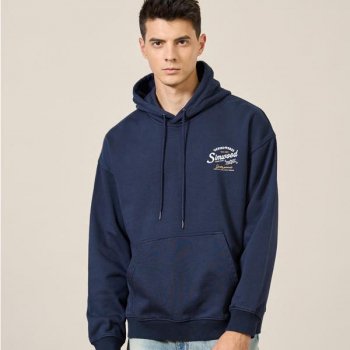
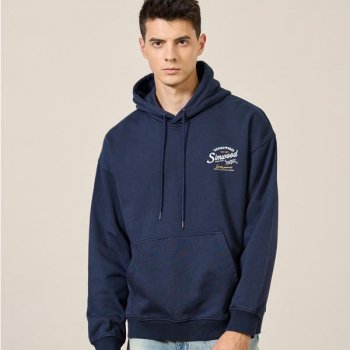
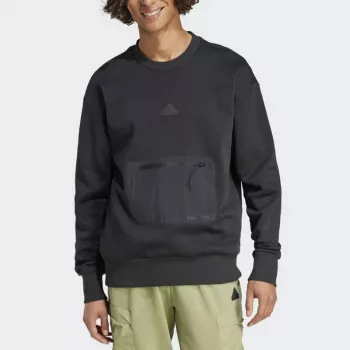
Featured Options to Shop
Care Tips to Keep the Fit Loose (Not Stretched or Shrunken)
FAQ
Should a loose hoodie size up or buy true to size?
Start true to size if the hoodie is already cut relaxed, then size up only if you want a longer, more oversized streetwear look. Check where the shoulder seams land, confirm sleeve length at the cuffs, and consider shrink potential before deciding.
What fabric is best for a loose hoodie that holds its shape?
Midweight to heavyweight cotton or cotton-blend fleece tends to hold a clean drape while resisting stretch over time. Sturdy ribbing at the cuffs and hem plus reinforced seams also help the hoodie keep its original silhouette.
How can a loose hoodie look put-together?
Balance the volume with tapered joggers or clean straight-leg pants, stick to solid or low-contrast colors, and make sure the hem and cuffs sit neatly. Adding a structured layer (like a denim jacket or bomber) sharpens the outline without losing comfort.
Recommended for you








Leave a comment