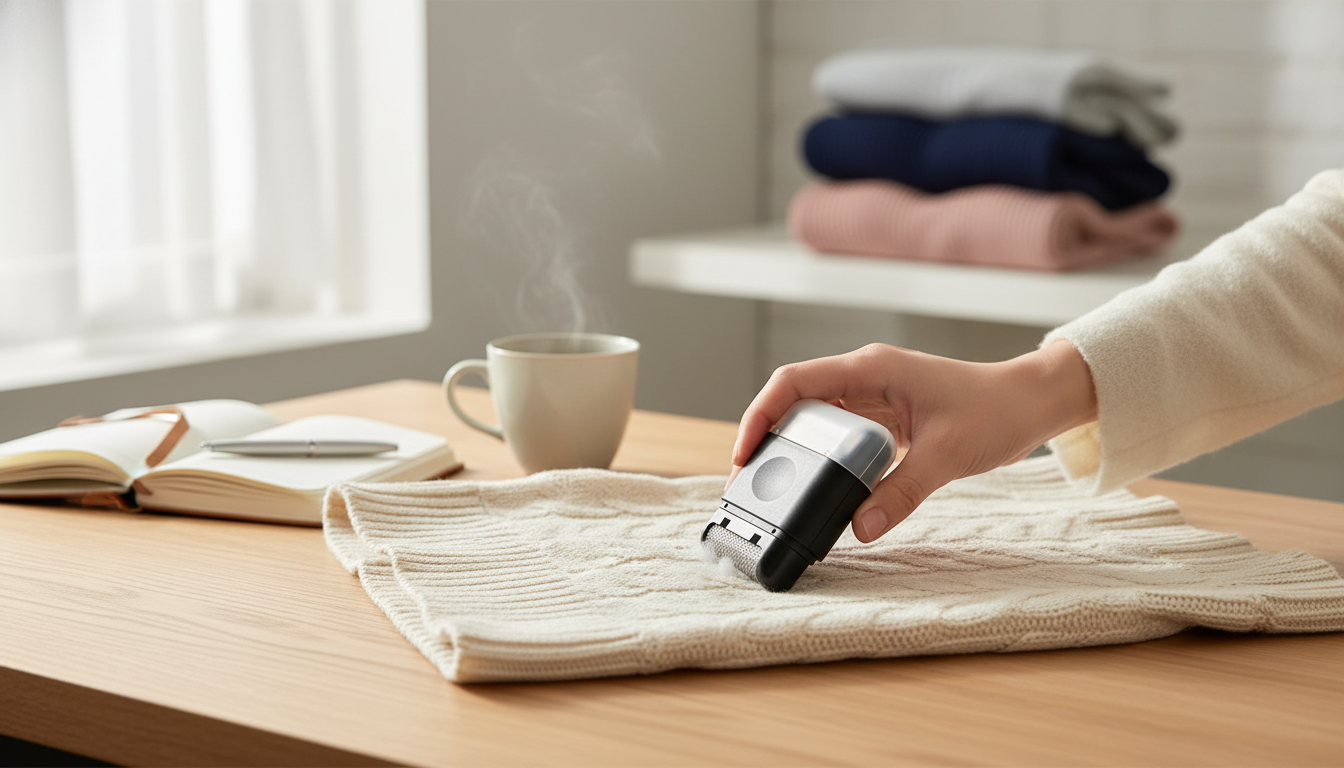
Pilling and fuzz can make otherwise-great clothing and upholstery look worn out. A compact manual hairball trimmer offers a simple, power-free way to lift lint, fuzz, and pills from common fabrics, making it an easy tool to keep in a drawer, suitcase, or car for quick touch-ups. When you want a cleaner look without plugging anything in, a small hand tool can be the difference between “tired” and “put-together” in under a minute. For more guidance, see Electric Hairball Trimmer with Smart LED Display.
What a manual hairball trimmer is used for
A manual hairball trimmer is designed to tidy up the fabric surface—removing what’s sitting on top rather than changing the underlying weave. It’s especially helpful for everyday items that see friction from backpacks, seatbelts, arm movement, and repeated washing. For further reading, see [PDF] Feed Inspector’s Manual | AAFCO.
- Removes surface pills (small fiber balls) from sweaters, knits, coats, scarves, and blankets
- Lifts fuzz and lint from fabric surfaces to improve appearance between washes
- Helps extend the “like-new” look of frequently worn items without needing electricity or batteries
- Useful for small areas: cuffs, collars, underarm zones, seat edges, and bag interiors
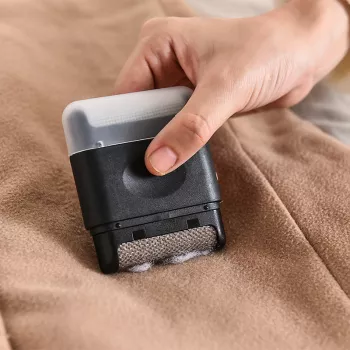
For quick maintenance, the Portable Mini Manual Hairball Trimmer is a convenient option to keep nearby for small cleanups, especially on high-friction zones that pill faster than the rest of the garment.
Where it works best (and where to be careful)
Not every fabric responds the same way to de-pilling tools. The best results usually come from stable fabrics with enough body to stay flat while you work.
- Best on: medium-to-thick knits, wool blends, cotton sweats, polyester blends, fleece, and some upholstery fabrics
- Use extra care on: delicate cashmere, very loose weaves, thin jersey, silk blends, lace, and fabrics with raised loops (risk of snagging)
- Avoid: actively torn areas, open seams, heavily frayed edges, and anything with attached embellishments that can catch
- Test first: choose an inconspicuous spot, use minimal pressure, and check for pulling before continuing
Manual trimmer vs electric fabric shaver vs lint roller
| Tool |
Best for |
Pros |
Trade-offs |
| Manual hairball trimmer |
Small-to-medium pilling and fuzz on knits and blends |
No batteries; travel-friendly; quick touch-ups; lightweight |
Takes a bit more time on large surfaces; technique matters |
| Electric fabric shaver |
Large areas with heavy pilling (blankets, sweaters) |
Fast; consistent power; efficient for big jobs |
Needs charging/batteries; bulkier; not ideal for quick travel fixes |
| Lint roller |
Pet hair and loose lint on smooth fabrics |
Very fast; low learning curve |
Doesn’t remove pills; refills create waste; less effective on embedded fuzz |
For fabric-specific care guidance (especially wool), helpful references include The Woolmark Company’s care resources and practical home tips from Good Housekeeping’s guide to removing fabric pills.
How to use it for clean results
Manual tools work best with a “light and steady” approach. The goal is to skim pills and fuzz off the surface, not scrape down into the knit.
- Prep the surface: lay the garment flat on a firm table or ironing board; smooth wrinkles with a hand
- Start gently: use light pressure and short strokes in one direction; increase pressure only if needed
- Work in sections: finish one area before moving on to avoid overworking the fabric
- Handle seams carefully: approach seam lines at a shallow angle; avoid scraping directly across raised stitching
- Finish with a final pass: lightly brush the fabric or use a lint brush/roller to pick up loosened fibers
If you routinely touch up on the go, pairing a compact trimmer with a tidy carry option—like the Elegant Leather Moon-Shaped Shoulder Bag—can help keep small essentials together without rummaging through a larger tote.
Common mistakes that can damage fabric
Most fabric damage happens when the material is stretched, the tool is pressed too firmly, or the fabric is too delicate for the technique being used. Slow down, keep the surface flat, and stop if you see any pulling.
- Pressing too hard, which can thin fibers or create shiny spots on some synthetics
- Rushing across delicate weaves and pulling threads instead of shaving pills
- Using on stretched fabric (e.g., holding a sweater in the air) which increases snag risk
- Trying to “fix” holes or worn patches—pilling tools improve appearance but won’t restore missing fibers
- Ignoring fabric direction; inconsistent strokes can leave uneven texture
Cleaning, storage, and keeping performance consistent
A little maintenance keeps a manual trimmer feeling smooth and prevents it from dragging across fabric.
For travel kits, it can be helpful to include a compact charging accessory for other essentials; the 66W 5A Fast Charging Spring Retractable USB Type C Cable – For Car & On-the-Go complements an on-the-move setup while your trimmer stays power-free.
Best quick-fix scenarios for a portable tool
A simple option to keep on hand
- Portable Mini Manual Hairball Trimmer: compact, power-free, and easy to stash for small cleanups
- Pairs well with a basic lint brush or roller for finishing touches after de-pilling
- Use regularly on high-friction areas to prevent pills from building into thicker clusters
FAQ
Can it be used on wool sweaters and cashmere?
It works well on many wool blends and tighter knits. On cashmere or very delicate fibers, use the lightest pressure, short strokes, and test a hidden spot first to reduce snag risk.
Will it remove pet hair too?
It can lift some embedded fuzz and lint, but a lint roller or rubber brush is usually faster for pet hair. Use the trimmer mainly for pills and fuzz balls.
How often should pilling be removed?
As needed—light, frequent touch-ups on high-friction zones (underarms, sides, cuffs) typically look better than waiting until heavy pilling forms.
Recommended for you










Leave a comment