Thrift Shopping for Trendsetters: How to Find “Hot” Pieces That Look Current
Thrifting is equal parts treasure hunt and personal style lab. The right finds can look current, feel one-of-a-kind, and cost far less than new—if the search is focused and the styling is intentional. Below is a trend-forward roadmap for what to hunt, how to assess quality fast, and how to build outfits that feel modern (not like a costume). Bonus: buying secondhand supports reuse and waste reduction, a benefit highlighted by resources like the EPA’s guidance on reuse and donation impact info from Goodwill.
What Makes a Thrift Find “Hot” Right Now
Trends shift quickly, but the most wearable thrift wins share a few consistent traits that translate to a modern look.
- Silhouette over label: Pieces that match today’s proportions—relaxed tailoring, longer hemlines, and defined shoulders—read current even without designer tags.
- Fabric and construction: Wool, cotton, linen, silk, and real leather typically age better and elevate simple outfits.
- Patina that looks intentional: Light denim fading, broken-in leather, and softened knits add character; skip damage that compromises structure (tears at stress points, dry rot, sticky coatings).
- Versatility: The best buys can anchor at least three outfits across casual, work, and evening styling.
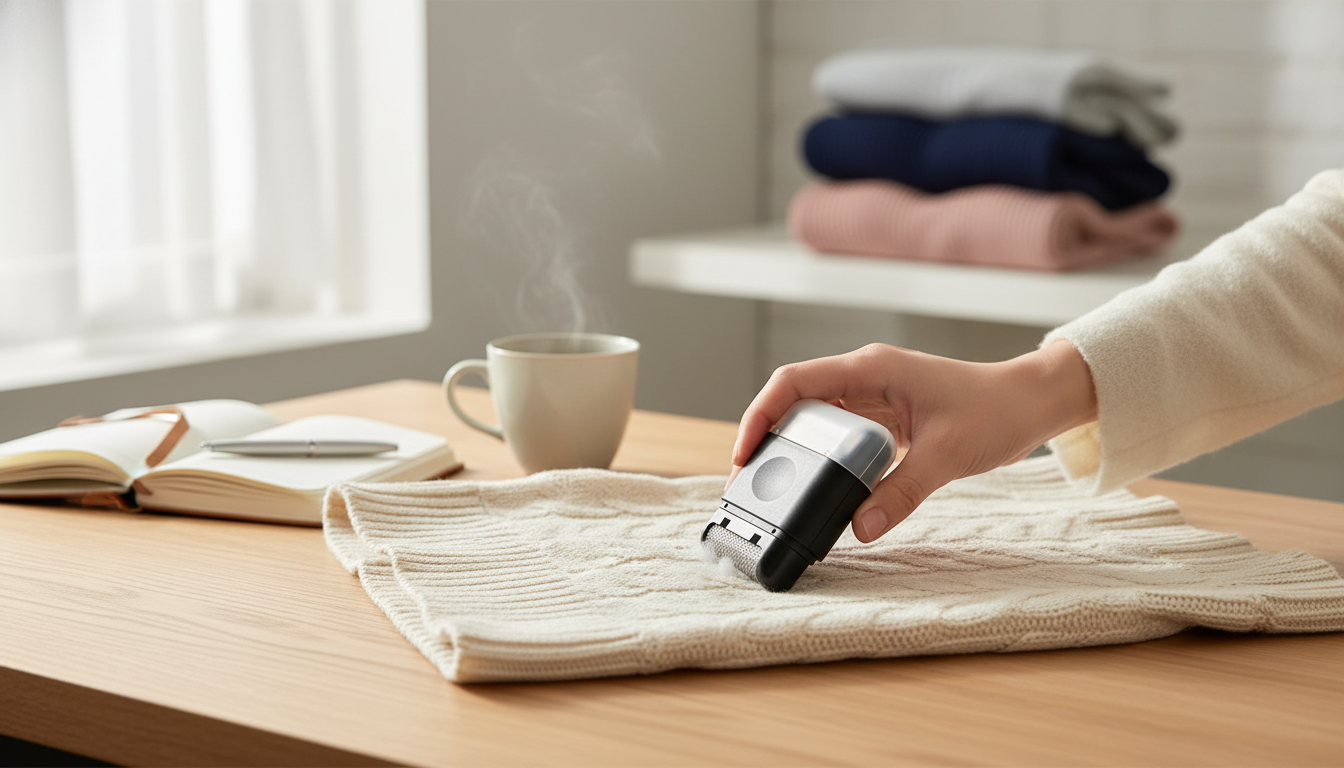
- Repair potential: Small fixes—buttons, hems, seam reinforcement, de-pilling—often turn “almost” into “always.”
The Hottest Thrifted Items to Look For
If you want the highest style payoff per rack you browse, focus on pieces that create strong outfits fast and mix easily with modern basics.
- Leather jackets: Oversized biker, minimalist collarless, or vintage bomber. Prioritize supple leather, solid zippers, and intact lining.
- Blazers and suit separates: Wool or wool-blends with a strong shoulder. Try mismatching sets for a modern high-low feel.
- Straight-leg and wide-leg denim: Mid to high rise with sturdy denim, minimal stretch, and clean seams.
- Slip dresses and bias-cut skirts: Satin, silk, or quality poly blends. Keep it contemporary by pairing with knits or tees.
- Chunky knit sweaters and cardigans: Check for pilling, moth holes, and stretched collars; tight-knit cashmere is a standout.
- Statement belts: Real leather, interesting buckles, and longer lengths for styling over blazers and dresses.
- Vintage tees and sweatshirts: Boxy fits, washed graphics, heavier cotton; avoid brittle, cracked prints.
- Trench coats and long coats: Classic neutrals, intact buttons, crisp collars, clean lining, minimal odor.
- Designer-adjacent handbags: Structured shapes and quality hardware; inspect corners, straps, and interior lining.
- Scarves and jewelry: Silk scarves, bold hoops, and standout brooches—easy entry points for experimentation.
Quick-hit checklist for high-value thrift finds
| Item |
Best materials |
Fast quality checks |
Modern styling move |
| Blazer |
Wool, wool-blend |
Seams lie flat, lining intact, shoulders not warped |
Wear over a tee with relaxed denim and sleek shoes |
| Denim |
Cotton denim |
Even fading, no inner-thigh blowouts, sturdy waistband |
Add a belt and a sharp jacket for contrast |
| Slip dress |
Silk/satin |
No snags, straps strong, bias seams not twisted |
Layer a fitted tee or cropped knit underneath |
| Leather bag |
Real leather |
Hardware smooth, corners solid, strap stitching tight |
Carry with sporty basics for a polished mix |
| Trench/coat |
Cotton, wool |
Collar crisp, buttons secure, lining clean |
Belt it over wide-leg pants to define shape |
Where to Thrift for the Best Pieces (and What to Expect)
- Charity shops: Great for basics, knits, denim, and surprise gems. Visit often—stock turns quickly.
- Consignment: Higher hit rate for brands and condition; prices are higher but still typically below retail.
- Vintage stores: Curated eras and statement items. You pay for selection, rarity, and sometimes styling help.
- Online resale: Strong filters for size/material/brand; request measurements and close-up photos of wear. For authentication and condition guidance, browse resale education resources like The RealReal’s resource hub.
- Flea markets and estate sales: Strong for leather, jewelry, and unique accessories. Bring cash and inspect carefully.
How to Spot Quality Fast: A 2-Minute Inspection Routine
Trendsetter Styling Formulas That Make Thrift Look Current
Care, Cleaning, and Small Fixes That Multiply the Value of a Find
Tools and Add-ons That Help Thrift Finds Look Elevated
- A structured everyday bag: It instantly makes outfits look intentional—especially when you’re mixing vintage and modern basics.
- A clear game plan: If you want a quick, shop-ready checklist for what to grab and how to style it, keep The Hottest Thrifted Items: A Trendsetter’s Guide to Thrift Shopping and Styling on hand.
- Modern basics as “anchors”: Clean tees/tanks, great socks, and polished shoes help older silhouettes feel current instead of dated.
Featured in-stock pick: a polished leather anchor
If your thrift finds skew relaxed (baggy denim, oversized blazers, chunky knits), a sleek bag adds structure and makes the whole outfit look more deliberate. The Elegant Leather Moon-Shaped Shoulder Bag is an easy way to bring that refined contrast to everyday looks.
FAQ
What are the best days to go thrifting for new finds?
Ask staff about the store’s restock schedule, since some locations restock daily while others process donations after weekend drop-offs. Weekday mornings are often less crowded, which makes it easier to scan racks and check condition carefully.
How can thrifted outfits look modern instead of dated?
Use updated proportions (relaxed tailoring, longer lengths, wider legs), mix one vintage piece with clean basics, and tailor where needed. Finish with contemporary shoes and accessories to anchor the look in the present.
What should be avoided when buying secondhand clothing and accessories?
Skip items with persistent mildew/smoke odor, peeling coated “leather,” warped shoes, moth holes in knits, and weak seams at stress points. If repairs will cost more time or money than you’re comfortable with, it’s usually better to pass.
Recommended for you









Leave a comment